
Moving Without the Meltdown: A Smarter Way to Keep the Process Under Control
Moving has a way of making simple things feel strangely complicated. A few boxes become dozens, important paperwork disappears into the wrong bag, and furniture that looked perfectly reasonable suddenly seems impossible to fit through a doorway. In Miami, where the population reached an estimated 489,812 in 2025—about 10.8% higher than the 2020 estimate—relocations are part of life in a fast-growing city. A smoother move comes down to preparation, realistic timing, and knowing which tasks deserve your attention before moving day arrives.
Start Earlier Than You Think You Need To
The easiest way to make a move stressful is to treat packing as the beginning of the process.
Good planning starts before the first box is taped shut. Confirm your move date, review any access requirements, measure large furniture, arrange utilities, and decide what help you will need. Those decisions are much easier to make when you are not already surrounded by half-packed rooms.
Break the work into smaller stages instead of trying to “pack the house.” One evening might be enough to sort a wardrobe, clear a kitchen cabinet, or organize important documents. Small tasks create steady progress without consuming entire weekends.
Starting early also gives you room to solve problems. A narrow staircase or unexpected scheduling conflict is much easier to handle several weeks in advance than the morning of the move.
Know When Professional Help Is Worth It
Not every move requires a full-service crew, but there is a point where doing everything yourself can cost more time and energy than expected.
Large furniture, stairs, short timelines, fragile belongings, and limited help can make professional assistance particularly valuable. If you’re comparing Miami moving services, there are plenty of options offering packing, loading, transportation, unloading, and other levels of support depending on how much of the move you want to handle yourself.
The important part is understanding exactly what is included.
Some people prefer to pack independently and hire help only for loading and transportation. Others benefit from having the entire process managed. Neither approach is automatically better.
Choose based on your schedule, physical limits, property access, and budget rather than assuming that doing everything yourself is always the cheapest option.
Declutter Before Anything Goes Into a Box
Moving things you no longer want creates work twice: once when you pack them and again when you unpack them.
Go through each room before packing and decide what genuinely deserves space in the new home. Clothing that has not been worn, duplicate kitchen equipment, unused furniture, and mystery cables from electronics you no longer own are all reasonable places to begin.
Sell useful items if you have enough time. Donate things that remain in good condition, recycle what can be recycled, and dispose of anything that is no longer usable.
Decluttering also helps control moving costs because fewer belongings generally mean fewer boxes, less loading time, and less space required during transportation.
More importantly, unpacking becomes easier. The new home begins with items you deliberately decided to keep rather than an accidental collection of everything you happened to own.
Pack for the Unpacking Process, Not Just Moving Day
Packing quickly can create a surprisingly slow unpacking process.
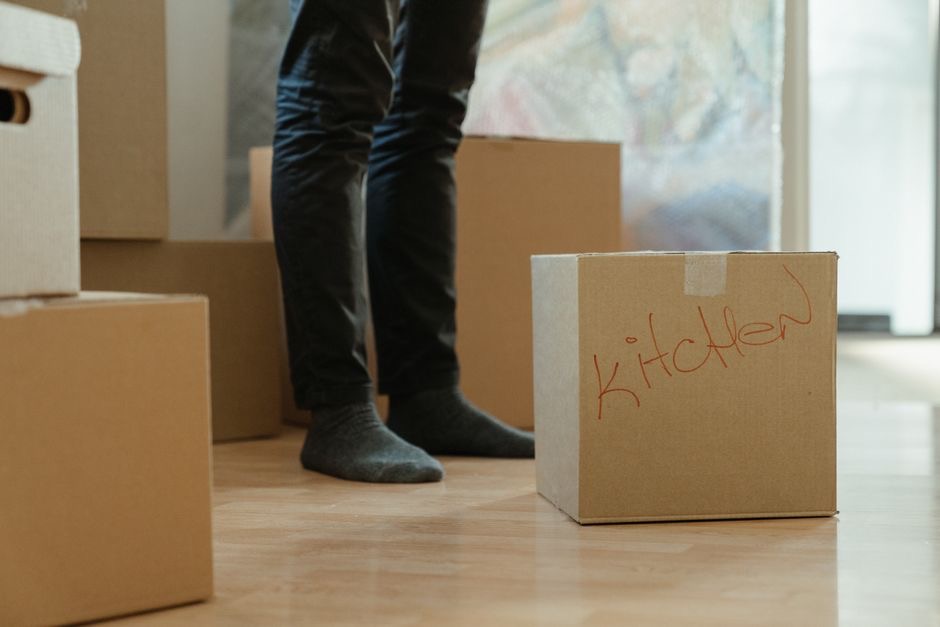
Instead of filling boxes randomly, keep belongings grouped by room and label them specifically. “Kitchen” helps, but “coffee maker, mugs, and breakfast items” is far more useful when you are standing in a new home surrounded by twenty boxes.
Simple moving and packing strategies such as creating a checklist, using detailed labels, measuring furniture, and preparing an essentials bag can reduce unnecessary confusion once the move begins.
Use smaller boxes for heavy items and larger boxes for lighter belongings. Wrap fragile objects carefully and fill empty spaces so items cannot shift easily during transportation.
A logical packing system takes slightly longer at the beginning but saves considerable time later.
Prepare Furniture Before Everyone Starts Carrying It
Bulky furniture causes many of the most frustrating moving-day problems because homeowners often discover access issues only after lifting begins.
Measure larger pieces against doorways, hallways, staircases, and elevators before the move. Remove legs, shelves, cushions, or other detachable components when doing so makes furniture easier to handle.
Protect delicate surfaces and keep hardware in labeled bags attached securely to the corresponding item.
Learning how to prepare furniture for a move can also help reduce scratches, torn upholstery, broken glass, and other damage during loading and transportation.
Clear the path before carrying begins as well. A heavy piece of furniture is difficult enough to control without navigating loose boxes, toys, or cleaning supplies along the way.
Keep Your Essentials Out of the Moving Truck
The first night in a new home rarely goes exactly as planned.
That is why basic necessities should travel with you rather than disappearing into the main load. Pack an overnight bag as though you were leaving for a short trip. Include a change of clothes, toiletries, medications, phone chargers, important paperwork, and anything children or pets will need immediately.
Keep valuables, identification documents, keys, and essential electronics under your direct control too.
A separate household box can hold toilet paper, cleaning supplies, basic tools, snacks, water, paper towels, and enough kitchen items to get through the first evening.
This small amount of preparation prevents one of the classic moving experiences: opening six boxes at midnight because nobody can remember where the toothbrushes were packed.
Give Moving Day Some Breathing Room
A move does not need to go badly for the schedule to slip.
Loading may take longer than expected. Weather can change. Access might be delayed. A piece of furniture may need additional dismantling. Even simple things like waiting for an elevator can gradually push the day behind schedule.
Build extra time into the plan instead of arranging every stage back-to-back.
Confirm important details a day or two beforehand, including arrival times, access arrangements, utility activation, and any people helping with the move.
Keep water available and make sure phones are fully charged. Have cleaning supplies somewhere accessible rather than buried in the truck.
Expecting a few minor problems makes them much easier to handle. The goal is not a flawless move. It is a move with enough flexibility that one delay does not derail everything else.
Make the New Home Functional Before Making It Beautiful
Once the boxes arrive, resist the urge to unpack the entire home immediately.
Start with the rooms that make everyday life possible. Set up beds, organize the bathroom, unpack basic kitchen equipment, connect important electronics, and make sure everyone can find clothes for the next day.
Decorating can wait.
Working room by room keeps progress visible and prevents half-opened boxes from spreading throughout the entire property. Flatten empty boxes as you go and keep packing materials in one designated area.
Living in the space for a few days can also help you make better decisions about furniture placement, storage, and organization.
A functional home provides a sense of stability much faster than one where every room is partly finished.
A Better Move Comes From Reducing Friction
Moving will probably never feel effortless, but it does not need to become a weekend-long crisis.
Start early enough to make decisions calmly. Remove belongings that no longer deserve to come with you. Pack in a way that makes unpacking easier, prepare furniture before the heavy lifting begins, and keep essential items within reach.
Most importantly, recognize where your own time and energy are best spent.
Getting help with the most difficult parts of the process can leave you with more capacity for everything else that comes with changing homes.
A successful move is not measured by whether every detail went perfectly. It is measured by whether you protected your belongings, avoided unnecessary stress, and arrived with enough energy left to begin settling into the next chapter.