Porcelain Outdoor Patio Tile vs Ceramic Outdoor Patio Tile: Which Is More Resilient?
Outdoor spaces such as patios require careful material selection to ensure durability and aesthetic appeal. When it comes to tiling these areas, homeowners often face a choice between porcelain and ceramic tiles. Both materials offer unique advantages, but understanding their differences in terms of resilience is crucial. This article explores the attributes of porcelain and ceramic Outdoor Patio Tiles, comparing their durability, style flexibility, and suitability for various environmental conditions, helping you make an informed decision.
Porcelain Outdoor Patio Tile: A Durable Choice for Outdoor Spaces
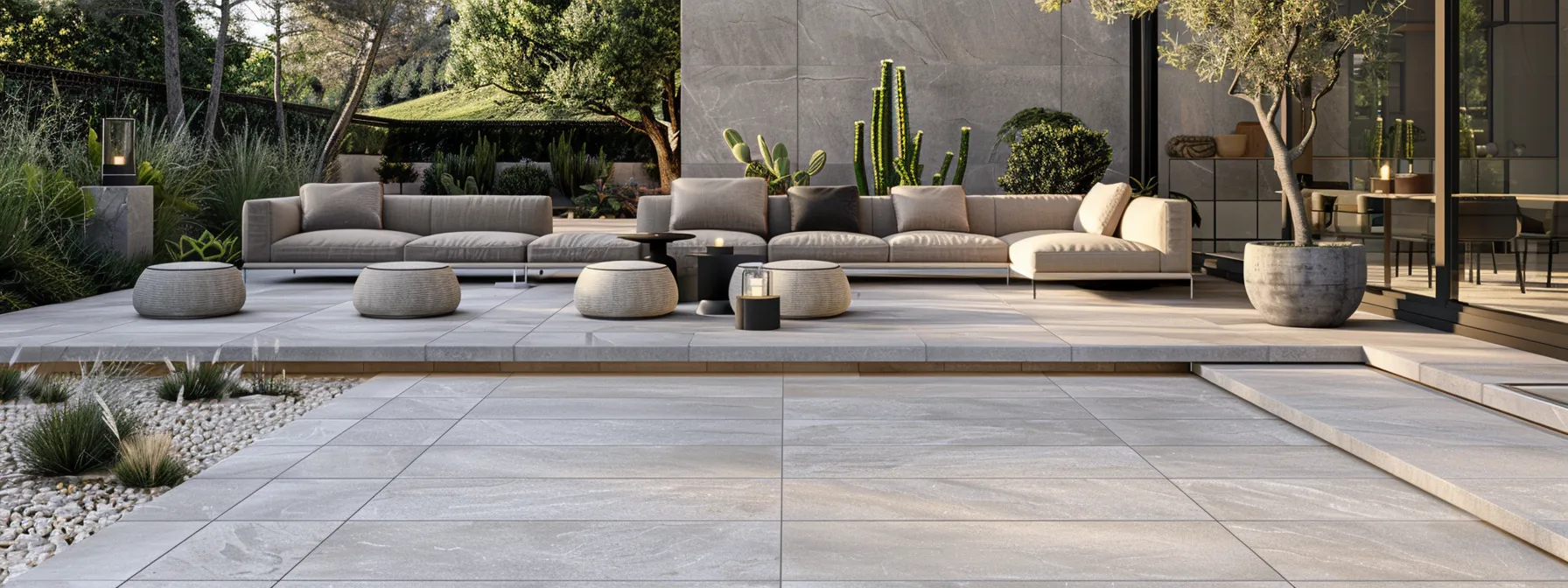
Porcelain tiles are renowned for their strength and durability, making them a popular choice for outdoor patio applications. One key factor contributing to their resilience is their low water absorption rate, which is less than 0.5%. This property ensures that the tiles remain impervious to the damaging effects of moisture and frost, which frequently affect outdoor environments. Outdoor Patio Tile options in porcelain are also highly resistant to stains and scratches, making them ideal for high-traffic areas.
Moreover, porcelain tiles are often subjected to rigorous testing for Building Code Compliance, ensuring they meet the necessary standards for outdoor use. Their dense composition, achieved through high-temperature kiln firing, not only increases their strength but also enhances their ability to withstand thermal shocks. This makes them particularly suited to climates with significant temperature fluctuations.
Finally, porcelain tiles can be designed to replicate the appearance of natural stone or wood, offering a versatile aesthetic that complements various landscaping ideas and hardscape designs. Their ability to maintain color and finish over time adds to their appeal as a long-term investment for outdoor applications.
Ceramic Outdoor Patio Tile: A Versatile Option for Various Styles
Ceramic tiles provide a more affordable alternative for those looking to enhance their outdoor spaces without compromising on style. While generally less dense than porcelain, ceramic tiles offer a wide array of design possibilities due to their ease of customization in color, texture, and pattern. This versatility can be particularly attractive for homeowners focused on Space Planning or incorporating Color Theory into their patio design.
However, ceramic tiles typically have a higher water absorption rate, making them less suitable for areas prone to freezing temperatures. Despite this limitation, ceramic tiles can still be a durable option in milder climates when proper installation techniques, such as the use of a waterproof membrane, are employed. Additionally, they are often used in settings where design intent allows for frequent updates or changes.
In terms of maintenance, ceramic tiles are relatively easy to clean and repair, which can be advantageous for maintaining an outdoor area that aligns with evolving aesthetic preferences. The ability to replace individual tiles without significant disruption is a practical benefit for homeowners seeking flexibility.
Comparative Resilience of Porcelain and Ceramic Tiles in Outdoor Environments
When comparing the resilience of porcelain and ceramic tiles, porcelain often emerges as the superior choice for outdoor environments due to its inherent properties. According to the American National Standards Institute (ANSI), porcelain’s low porosity makes it exceptionally resistant to moisture and temperature changes, critical factors for outdoor durability. Furthermore, porcelain tiles are often manufactured with enhanced R-value, an indicator of thermal resistance, which aids in energy efficiency and comfort in outdoor spaces.
Ceramic tiles, while offering aesthetic versatility, may not withstand harsh outdoor conditions as effectively as porcelain. Their higher water absorption can lead to cracking in freeze-thaw cycles, a significant consideration for outdoor patio installations in colder regions. However, in areas where severe weather conditions are not a concern, the stylish adaptability of ceramic tiles can be a significant advantage.
Overall, the choice between porcelain and ceramic tiles should take into account environmental factors, intended use, and aesthetic goals. For those prioritizing resilience and longevity, porcelain tiles are typically the recommended option.
Factors to Consider When Choosing Between Porcelain and Ceramic Outdoor Tiles
Several factors should be considered when deciding between porcelain and ceramic tiles for outdoor patios. First, assess the local climate and potential exposure to moisture and temperature extremes. Porcelain, with its low water absorption and thermal resistance, is preferable in such environments.
Next, evaluate the design intent and how it aligns with the available tile options. If a project involves extensive use of FF&E (furniture, fixtures, and equipment) or requires specific Color Theory applications, ceramic tiles may offer more flexibility in design.
Finally, consider the installation and maintenance requirements. Porcelain tiles, while more durable, may require precise installation techniques to ensure longevity. In contrast, ceramic tiles can be easier to install and repair but may necessitate more frequent maintenance or replacement in harsh conditions. Reviewing the Punch List, a checklist used to ensure all project requirements are met, can help in making a well-rounded decision.
Conclusion

Choosing between porcelain and ceramic Outdoor Patio Tiles involves balancing resilience, design preferences, and environmental considerations. Porcelain tiles offer superior durability and are well-suited for outdoor areas exposed to extreme weather conditions, while ceramic tiles provide a versatile and cost-effective option for more temperate climates. Ultimately, the right choice will depend on the specific needs of your project, ensuring a beautiful and lasting outdoor space.