The Slow Weathering of a Roof: What Years of Sun, Wind, Rain, and Cold Actually Do
Weather doesn’t wear a roof in one dramatic event every time. More often, it works through repetition: heat expands materials, cold contracts them, rain searches for weak points, wind works at edges, and debris traps moisture where it should drain away. For homeowners in Osage Beach, that cumulative pressure matters because a roof has to handle changing Missouri conditions season after season.
Understanding this slow process changes roof maintenance. Instead of waiting for water to appear indoors, homeowners can watch for small exterior changes that reveal where weather is gradually reducing the roof’s margin of protection.
Read the Roof After the Storm, Not Just During It
A strong storm naturally draws attention to the roof, but the useful inspection often happens afterward. From the ground, homeowners can look for missing or displaced shingles, visible debris, damaged gutters, or changes around roof edges. Inside, new ceiling stains or damp attic areas deserve attention.
When something appears different after severe weather, a professional assessment can help distinguish cosmetic wear from damage that needs repair. Lake Ozark Select Roofing in Osage Beach provides residential roof repair and replacement services for homeowners dealing with issues such as leaks and storm damage. Getting questionable areas evaluated early can keep a small weather-related problem from remaining unnoticed through the next round of rain.
Watch What Repeated Heat Does to Materials
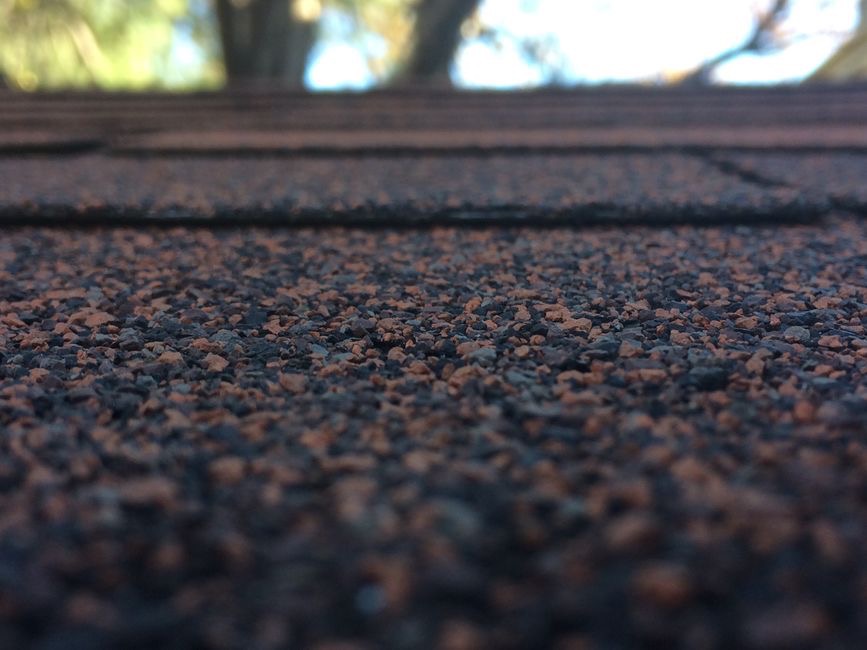
Summer heat does not have to produce a spectacular failure to affect a roof. Roofing surfaces can become extremely hot in direct sun, then cool substantially overnight. Repeated temperature changes make materials expand and contract over time.
Age, material type, installation quality, ventilation, and exposure all influence how significant that movement becomes. South- and west-facing roof areas may also experience different solar exposure than shaded sections.
Homeowners do not need to climb onto the roof to monitor these changes. Look from safe locations for curling, cracking, distortion, or other visible differences, and have concerning conditions assessed professionally. The important idea is cumulative exposure: one hot afternoon may be unremarkable, while years of heating and cooling contribute to normal material aging.
Understand Why Wind Starts at the Edges
Wind pressure is not distributed identically across every inch of a roof. Edges, corners, ridges, and already-loose materials can be particularly important during high winds.
A shingle that has begun lifting or an edge component that is no longer secure may become more vulnerable during subsequent storms. Wind-driven rain can also reach places that ordinary vertical rainfall does not.
After unusually windy weather, inspect the property from the ground. Look for roofing material in the yard, changes along rooflines, or pieces that appear lifted or out of alignment.
Avoid climbing up for a closer look. Roof surfaces may be slippery or unstable after storms, and damage is not always obvious to an untrained observer. A qualified inspection is safer when there is reason for concern.
Follow Rain Beyond the Shingles
Rain protection depends on more than the visible roof covering. Water has to travel across the roof, enter the drainage system, move through downspouts, and discharge away from vulnerable parts of the property.
That means a roofing problem can begin with drainage. Leaves and debris may obstruct gutters, damaged components can interfere with water flow, and repeated overflow can expose fascia and nearby materials to moisture.
Pay particular attention after heavy rain. Overflowing gutters, persistent dripping in unusual locations, or water appearing where it normally does not can reveal a drainage issue.
Roof maintenance therefore works best when gutters and downspouts are treated as part of the same weather-management system rather than unrelated exterior accessories.
Take Freeze-and-Thaw Cycles Seriously
Cold weather introduces another kind of repetition. Water can enter small openings, freeze when temperatures fall, and expand. When temperatures rise, it melts again. Repeated cycles can worsen existing vulnerabilities in exterior materials.
Winter conditions can also reveal problems that were less noticeable during warmer months. Homeowners may discover moisture staining, damaged flashing, loose materials, or drainage concerns after a season of temperature swings.
The practical response is not to attempt winter roof work without proper training. Instead, note visible changes and arrange professional evaluation when needed.
Seasonal transitions are useful inspection points because they encourage homeowners to compare the roof’s condition before and after months of demanding weather.
Pay Attention to Flashing and Penetrations
The broad field of a roof gets most of the visual attention, but transitions often deserve closer monitoring. Chimneys, vents, skylights, walls, valleys, and other penetrations interrupt the normal path of water.
These areas commonly rely on flashing and carefully installed details to direct moisture away. Weather can gradually expose weaknesses through movement, sealant deterioration, debris accumulation, or damage to surrounding materials.
If an indoor stain repeatedly appears near a chimney, vent, or similar feature, do not assume the visible interior location identifies the exact entry point. Water can travel before becoming noticeable.
Professional diagnosis matters because replacing nearby shingles alone may not solve a problem originating at a transition or penetration.
Treat Trees as Part of the Roof’s Weather Exposure
Trees can make a property beautiful and provide welcome shade, but they also change the conditions a roof experiences.
Overhanging branches may scrape roofing materials during windy weather. Leaves, needles, and small debris can accumulate in valleys or gutters. Heavily shaded areas may remain damp longer than roof sections receiving more sun.
This does not mean every tree near a house is a roofing problem. It means landscaping should be considered when evaluating roof exposure.
Keep an eye on branches that have moved closer to the structure and debris that repeatedly collects in the same areas. Tree work near a roof can be hazardous, particularly around large limbs or power lines, so appropriate professionals should handle work beyond safe homeowner maintenance.
Build a Weather History for the Roof
Most homeowners know approximately how old their roof is, but age alone tells only part of the story. Two roofs installed in the same year may experience very different conditions depending on shade, orientation, storm exposure, maintenance, drainage, and previous repairs.
Create a simple roof record. Keep installation documents, warranties, inspection reports, repair invoices, and photographs from significant storms. Note when leaks or visible changes first appeared and what was done about them.
Over time, this history can reveal patterns. A problem that repeatedly develops in the same area may deserve more investigation than an isolated issue.
For Osage Beach homeowners, the larger lesson is that weather damage is often cumulative rather than sudden. Sun, wind, rain, cold, debris, and seasonal temperature changes repeatedly test different parts of the roofing system.
A roof does not need constant attention, but it benefits from informed observation. Check it safely from the ground after major weather, keep drainage paths functioning, document changes, and seek professional evaluation when damage is suspected.
The goal is not to predict exactly when a roof will fail. It is to notice when weather has begun changing its condition, while there is still time to make a measured decision about maintenance, repair, or eventual replacement.