
Water Heater Replacement: Essential Considerations for Homeowners Making Decisions
Deciding to replace your home’s water heater is a significant decision that affects both comfort and energy efficiency. Homeowners often find themselves navigating various factors, such as the cost, type of heater, and signs indicating replacement necessity. A water heater is an integral part of a home’s plumbing system, ensuring hot water availability for showers, washing dishes, and laundry. In this article, we’ll explore the crucial considerations that homeowners should keep in mind when contemplating a Water Heater Replacement. We’ll delve into the types of water heaters available, the signs that indicate it’s time for a replacement, and how to budget effectively for this home improvement project.
Water Heater Replacement: Key Factors for Homeowners
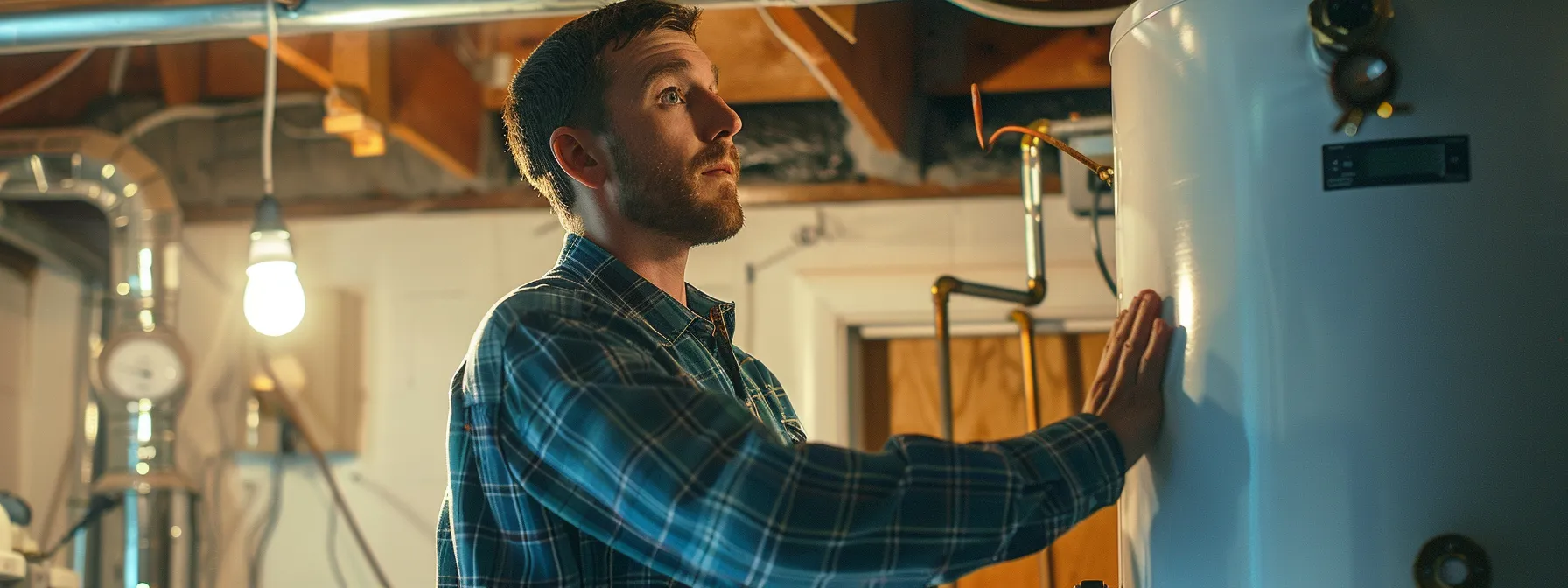
When evaluating Water Heater Replacement options, homeowners should consider their property’s specific needs and existing systems. A comprehensive Home Energy Rating System (HERS) evaluation can provide insights into how energy-efficient your current water heater is and what improvements can be made with a new model. Additionally, Indoor Air Quality (IAQ) Management is crucial when choosing a water heater, as some models can impact air quality due to emissions. Consulting with a Smart Home Integration Specialist can also be beneficial if you’re looking to incorporate the latest technology for better control and efficiency.
Furthermore, homeowners should assess the impact of Universal Design Principles on their choice. If accessibility and ease of use are priorities, selecting a water heater that aligns with these principles ensures a more inclusive home environment. Engaging in a Home Safety Audit can reveal potential risks associated with your current water heater system, prompting considerations for safer alternatives.
Types of Water Heaters to Consider for Replacement
Several types of water heaters are on the market, each with unique benefits. Tankless water heaters, for instance, are known for their energy efficiency and compact design, making them a popular choice among homeowners with limited space. A Feng Shui Analysis might suggest that an unobtrusive design can enhance the overall harmony of a living space. Traditional tank water heaters, while larger, offer reliable service and might be preferable in homes where high water demand is consistent.
Eco-Friendly Pest Management practices can influence the choice of a water heater. Models made with sustainable materials or those that offer eco-friendly features, such as solar-powered options, can contribute to a greener home environment. Modular Furniture Solutions can complement these choices, ensuring your home remains versatile and well-organized.
Signs Your Water Heater Needs Replacement
Recognizing the signs that your water heater may need replacement is vital for maintaining home comfort and safety. Frequent leaks or rust around the tank are clear indicators that replacement is imminent. A Lead Paint Risk Assessment might reveal environmental concerns if your water heater is located in an area with old paint that could potentially contaminate water supplies.
Another sign to consider is inconsistent water temperature or a decrease in water pressure, which can disrupt daily activities and affect Family Cohesion Metrics, as these interruptions can lead to frustration within the household. Lastly, if your energy bills are consistently high, a new, more efficient water heater might be necessary to reduce costs and improve efficiency.
Cost Considerations and Budgeting for Water Heater Replacement
Budgeting for a Water Heater Replacement involves evaluating the initial purchase cost and long-term savings on energy bills. Homeowners should use Home Inventory Software to track and plan for major appliance investments, ensuring their budget aligns with their replacement needs. The cost of installation and any necessary upgrades to plumbing or electrical systems should also be factored into the budget.
Moreover, sustainable options like solar-powered water heaters may have higher upfront costs but offer savings over time. Incorporating Sustainable Landscaping Practices around the home can complement these choices, leading to further environmental benefits. Collaborating with a Residential Property Maintenance Plan can streamline the budgeting process, helping homeowners make informed decisions that align with both financial constraints and long-term property value goals.
Conclusion

Choosing the right Water Heater Replacement involves careful consideration of energy efficiency, type of heater, signs of wear, and budgeting strategies. By prioritizing a Home Energy Rating System and consulting with specialists, homeowners can make decisions that enhance their home’s comfort and efficiency. This investment not only improves daily life but also contributes to sustainable home management. A well-planned replacement ensures continued satisfaction and safety for years to come.