
What Your Drains Try to Tell You Before a Plumbing Catastrophe
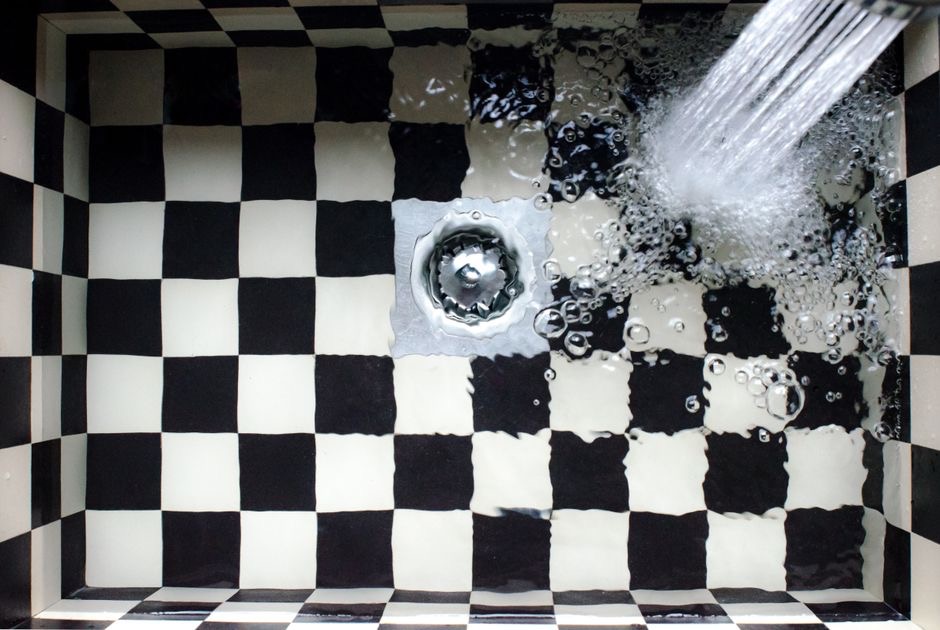
If you live in Tampa, your plumbing deals with more than the usual daily wear. Heat, humidity, heavy rain, and older neighborhood infrastructure can all put extra pressure on your drains. A slow sink or a stubborn shower drain might seem minor at first, but small warning signs often show up well before a messy backup. Knowing what to watch for can help you avoid bigger repairs, surprise costs, and one very unpleasant weekend.
Slow Drains Usually Mean More Than a Minor Annoyance
When water starts circling the drain like it’s thinking about its next move, you’re looking at an early warning sign. Slow drainage often points to buildup from soap scum, grease, hair, food scraps, or mineral deposits inside the pipe.
In kitchens, grease is often the repeat offender. It goes down warm, then cools and sticks to the pipe walls. In bathrooms, hair teams up with soap and creates a clog with real staying power. If more than one drain is moving slowly, the issue may sit deeper in your plumbing system.
At that stage, guessing with random store-bought chemicals can do more harm than good. A professional Tampa drain cleaning service can clear the line properly and help you figure out whether the problem is simple buildup or something larger hiding in the system.
Bad Smells From the Drain Should Never Be Ignored
A drain that smells foul isn’t just unpleasant. It can point to trapped debris, bacteria growth, sewer gas issues, or standing water in part of the line. If the odor gets stronger after you run water, there’s a good chance something organic is stuck and breaking down inside the pipe.
Kitchen sinks often smell from food residue and grease buildup. Bathroom drains may develop odors from hair, soap, and biofilm, which is a polite term for slimy gunk. Floor drains and less-used fixtures can also smell if water in the trap evaporates.
A quick rinse or air freshener won’t solve the actual issue. If the smell keeps coming back, you need the drain inspected and cleaned. Plumbing problems rarely get more charming with age, and odors are usually one of the first signs that a hidden blockage is building up.
Gurgling Noises Mean Air Is Struggling to Move
Drains are supposed to carry water smoothly and quietly. If you hear gurgling from a sink, tub, or toilet, air is likely trapped in the system because water can’t flow the way it should. That noise is the plumbing version of clearing its throat.
A partial blockage can create pressure changes that pull air through the water in the trap. You may notice it when the washing machine drains, when you flush a toilet, or when one fixture affects another. In some homes, that points to a venting problem. In others, it signals a clog forming in a shared line.
This matters because the issue can spread. What starts as a noisy bathroom sink can turn into wastewater backing up where you definitely don’t want it. Gurgling sounds deserve attention early, especially if they happen often or start showing up in several fixtures at once.
Water Backing Up in the Wrong Place Is a Serious Red Flag
If you flush the toilet and water rises in the shower, your plumbing is not being creative. It’s warning you that the drainage system is struggling. Backups in the wrong fixture usually mean there’s a blockage in a main line or branch line serving multiple drains.
This is where timing matters. A single clogged sink is inconvenient. A sewer line issue can affect the whole house. In areas with older pipes or heavy tree growth, roots can invade underground lines and reduce flow long before a full blockage happens. Tampa’s weather patterns and saturated ground conditions can also add stress to drainage systems.
Once wastewater starts reversing direction, the problem has moved beyond basic maintenance. Waiting usually means more cleanup, more damage, and a much higher repair bill. A licensed plumber can diagnose whether the cause is buildup, root intrusion, pipe damage, or something else deeper underground.
Smart Drain Habits Can Save You Money and Stress
A lot of plumbing emergencies build slowly, then suddenly feel urgent. The good news is that you can lower the risk with a few practical habits. Drain care doesn’t need to be complicated, but it does need consistency.
Keep grease out of the kitchen sink, even if you run hot water after. Use drain screens in showers and tubs to catch hair before it heads into the pipe. Don’t flush wipes, paper towels, or hygiene products, even if the label sounds confident. It’s marketing, not magic.
You should also pay attention to changes in how your plumbing behaves. One slow drain may be isolated. Several signs happening together usually point to a system-wide issue. If you notice slow flow, odors, strange sounds, or backups, getting a professional inspection early can protect your home and help you avoid a larger plumbing mess later.