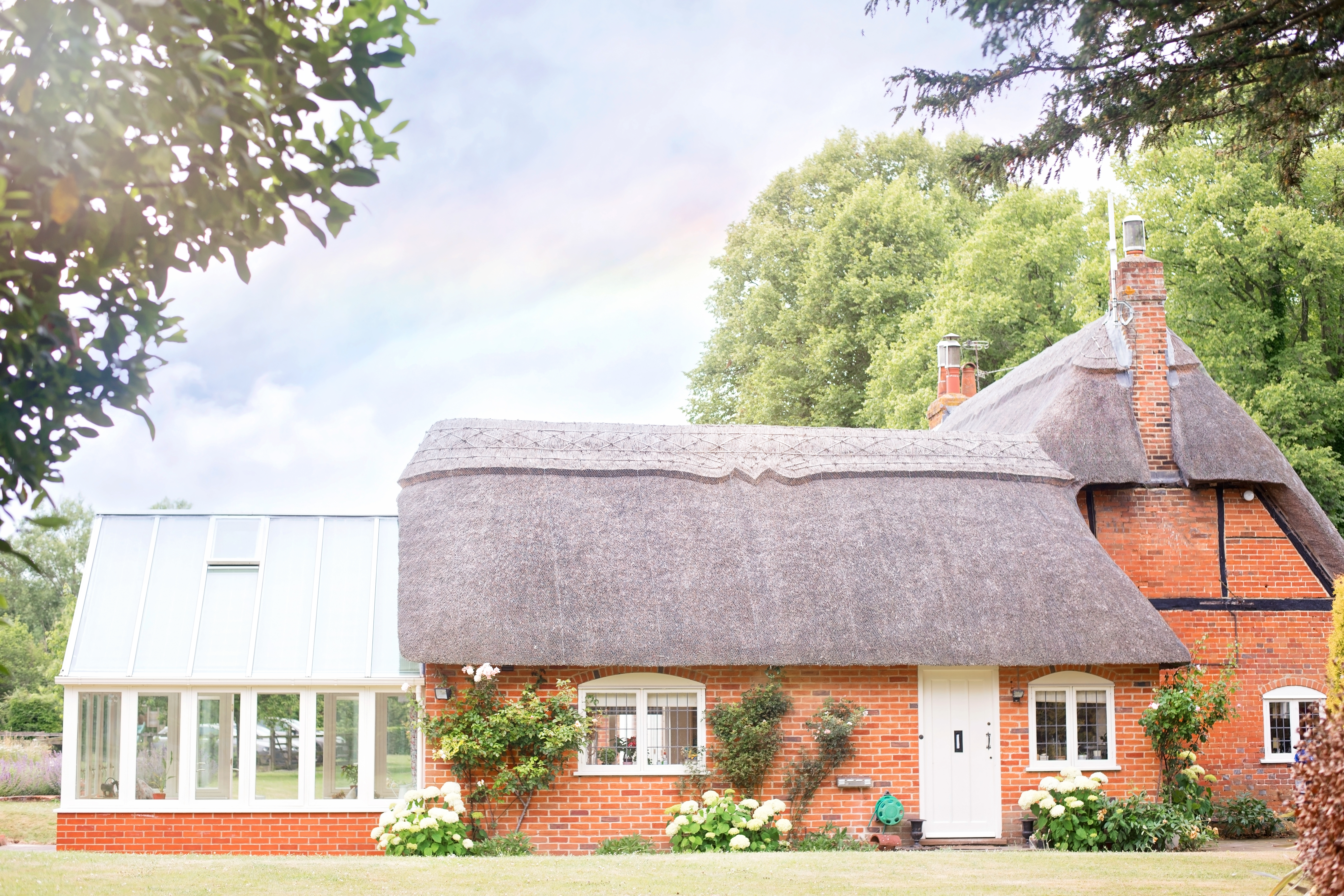
Designing a Home That Feels Like You From Day One
Leaving West Palm Beach can feel exciting at first. The beaches, the pace, the familiar streets all become memories overnight. Then reality sets in. You unlock the door to your new place and nothing feels right yet. The walls look plain. The rooms echo. Your furniture sits in the wrong spots. Many people struggle in those first few days because the space does not reflect their habits or personality.
The good news is you do not need months to feel settled. You can shape your space with clear decisions from the start. When you focus on comfort, function, and personal details right away, your new home begins to feel familiar much faster.
Start Designing Your Space Before You Arrive
Settling in begins long before you unlock the front door. Take time to review your new home’s layout, measurements, and natural lighting so you can decide where major furniture pieces will go. Think about traffic flow and how you move through a room during a normal day. Sketch a simple floor plan or use your phone to map out placement ideas. Decide in advance which items truly deserve space and which ones may no longer fit your lifestyle. This is also the moment to schedule deliveries, confirm moving timelines, and label boxes clearly by room. When you arrive with a plan, you avoid guesswork and can begin creating a comfortable, functional space immediately.
Plan the Move So Delivery Supports Your Setup
Good planning before move-in day makes designing easier. Schedule delivery times that allow you to unpack without rushing. If you are relocating from South Florida, researching reliable long distance movers in West Palm Beach ahead of time can help ensure your belongings arrive safely and close to your planned timeline. Delays can slow down your ability to set up key rooms.
Label boxes clearly by room and priority level. Keep essentials separate so you can access them first. Confirm measurements in your new home before moving large furniture to avoid last- minute layout problems. When logistics run smoothly, you spend less time solving issues and more time shaping your space with intention.
Unpack With Purpose, Not Pressure
It feels tempting to open every box at once. That usually creates stress and clutter. Instead, unpack in layers. Start with what you need to function well. Make your bed. Set up the bathroom. Organize the kitchen basics you use daily. When these areas work, the rest can wait. Avoid filling shelves just to empty boxes. Place items where they make sense for your routine. If something does not have a clear spot, leave it packed until you decide. This approach keeps your home from looking crowded on day one. It also helps you stay thoughtful instead of rushed. A steady pace creates a calmer space.
Let the Room Shape the Layout
Your old furniture may not fit the same way in your new home. Avoid forcing the same arrangement you had before. Study the light, the doorways, and the flow of movement in each room. Place large pieces first. Then adjust their position until the space feels balanced. Walk through the room several times. Notice if anything blocks natural pathways. Shift items until the layout supports how you move during the day. When a room flows well, it feels comfortable without extra decoration. Good placement often matters more than new
purchases. Work with the space you have instead of fighting it.
Use Color to Create Instant Warmth
Color changes how a room feels faster than almost anything else. You do not need to paint right away. Start with simple layers. Add a rug that softens the floor. Bring in throw pillows or blankets in shades you enjoy. Hang art that reflects your taste.
Choose colors that match the mood you defined earlier. Soft tones can calm a bedroom. Rich tones can make a living room feel inviting. Avoid buying decor just because it is trendy. Pick pieces that connect to your style and daily life. When colors feel intentional, the room feels settled. Small updates can create warmth from the first day.
Make the Bedroom Feel Settled First
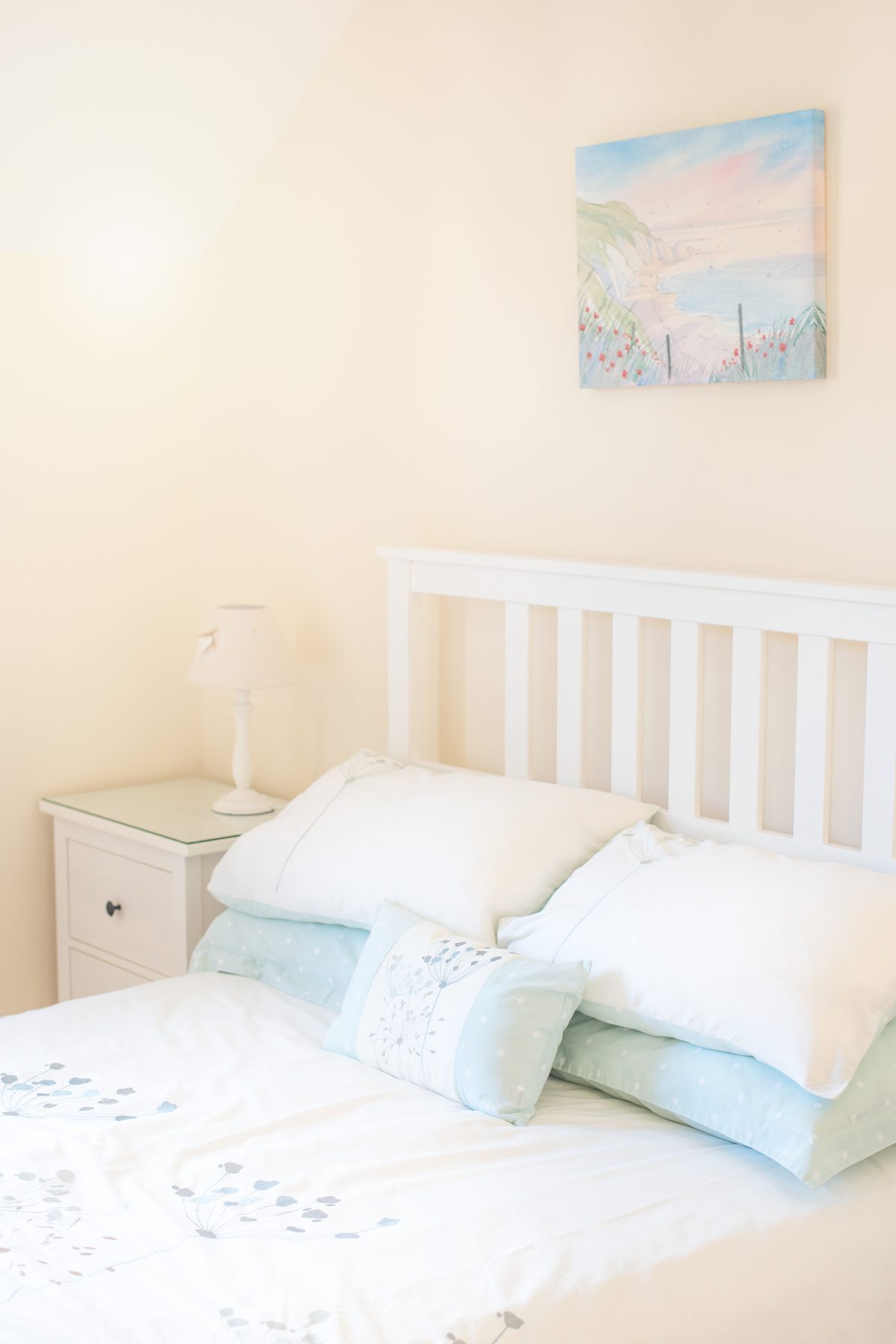
Focus on your bedroom early in the process. Quality sleep supports mood, focus, and overall health, especially during stressful transitions like a move. Start by assembling the bed properly and using bedding that feels familiar. Install curtains or blinds right away so you can control light and privacy. Harsh lighting can disrupt sleep, so add a bedside lamp with a warm bulb instead of relying only on overhead lights.
Keep surfaces clear and limit clutter in this room. A crowded space can increase stress and make it harder to relax. Place a few meaningful items nearby, such as a framed photo or a favorite book. When your bedroom feels calm and functional, the rest of the home feels easier to manage.
Design Around Your Daily Habits
A home feels right when it supports how you actually live. Think about your daily routine and design around it. If you drop your keys and bag near the door, place a small table or hooks there. If you cook often, organize your kitchen so that tools and spices sit within easy reach. Store items close to where you use them.
This approach reduces frustration and keeps clutter under control. It also saves time during busy mornings. When your home matches your habits, you move through it with less effort. Function often matters more than decoration. A well-organized space creates comfort because it removes small daily problems before they build up.
Add Personal Details That Tell Your Story
Personal touches create an emotional connection. Display items that reflect your experiences, interests, and values. This might include travel photos, handmade art, books you love, or objects passed down from family. Choose a few meaningful pieces instead of filling every wall or shelf.
Arrange them with care. Group smaller items together so they look intentional. Frame important papers or prints rather than taping them to the walls. These details make your home feel specific to you, not staged or generic. Guests should learn something about you by looking around. More importantly, you should feel represented in your own space. Personal items turn a house into a place that feels lived in and real.
Designing a home that feels like you from day one requires clear thinking and steady action. Focus on sleep, daily habits, and meaningful details before worrying about decoration trends. Arrange furniture to fit the room. Add color with care. Blend familiar items with thoughtful updates.
Most importantly, make decisions that support how you live each day. When your home works well and reflects your personality, comfort follows naturally. You do not need a perfect setup right away. You need a functional space that feels honest and personal. With the right approach, your new home can feel settled sooner than you expect.