Why Some Homes Develop Landscaping Problems Faster Than Others
A yard can look fine one week and start showing stress the next without any major change in routine.
Grass loses its color in patches, plants stop holding their shape, and certain areas begin standing out for
the wrong reasons. In many cases, the issue stems from how water, soil, and layout interact over time.
Small imbalances spread across the space and start affecting everything around them.
Living in Trinity, FL, comes with a different set of challenges, given its climate. Warm weather, sunlight,
and frequent watering cycles keep landscapes active almost year-round. Growth happens fast, which means problems show up just as quickly. A slight watering issue or a poor plant choice becomes visible
across the yard in a short span.
Uneven Water from Damaged Sprinkler Lines
Water distribution plays a major role in how a yard holds up. When sprinkler lines are damaged or not
working properly, the balance breaks almost immediately. One section may get too much water, leaving
the soil heavy and plants struggling, while another section stays dry and begins to thin out. This contrast
becomes easy to spot. Grass in one area looks dense, while nearby patches appear weak or patchy.
Trying to fix this through manual watering or schedule changes rarely solves the root problem. The issue
sits within the system itself. After some time, the damage spreads because the imbalance continues
with every cycle. Bringing in the experts for certified lawn sprinkler repair in Trinity, FL, becomes part of
the solution. Restoring proper flow brings the yard back to a consistent state, where each section
receives what it actually needs instead of working against uneven conditions.
Overwatering That Suffocates Roots
Water can support growth, though too much of it starts creating the opposite effect. Soil that stays
constantly wet limits airflow around the roots. Without that airflow, plants begin losing their strength
even if they appear fully watered. Leaves may lose firmness, and grass can start thinning in areas that
look like they should be thriving.
This often happens when watering schedules don’t match the actual needs of the yard. Frequent
watering without allowing the soil to settle creates a cycle where roots never get the conditions they
need to stay stable. Adjusting the amount and timing of water helps restore balance. Once the soil has
space to breathe again, plants begin responding more consistently.
Lack of Shade Planning
Sun exposure varies across a yard, though not all plants handle that exposure the same way. Areas that
receive constant direct sunlight tend to wear out faster, especially during warmer months. Grass may
lose color more quickly, and certain plants begin showing signs of stress earlier than expected.
Without shade planning, those high-exposure zones continue taking the full impact of the heat day after
day. Introducing coverage through trees, structures, or plant placement changes how those areas
perform. It gives the soil and plants a break from constant exposure and helps maintain a more even
look across the yard.
Poor Plant Selection for Climate
Plant choice plays a bigger role than it first appears. Some plants may look appealing, though they aren’t
suited for the local environment. In a place like Trinity, where heat and humidity stay consistent, plants
that aren’t built for those conditions start declining quickly. Leaves may drop, growth slows down, and
replacements become frequent.
Choosing plants that match the local climate creates stability. They handle the conditions without
constant intervention and maintain their appearance over time. Without that alignment, the yard enters
a cycle of replacing plants that never fully adjust.
High Foot Traffic Compacts Soil
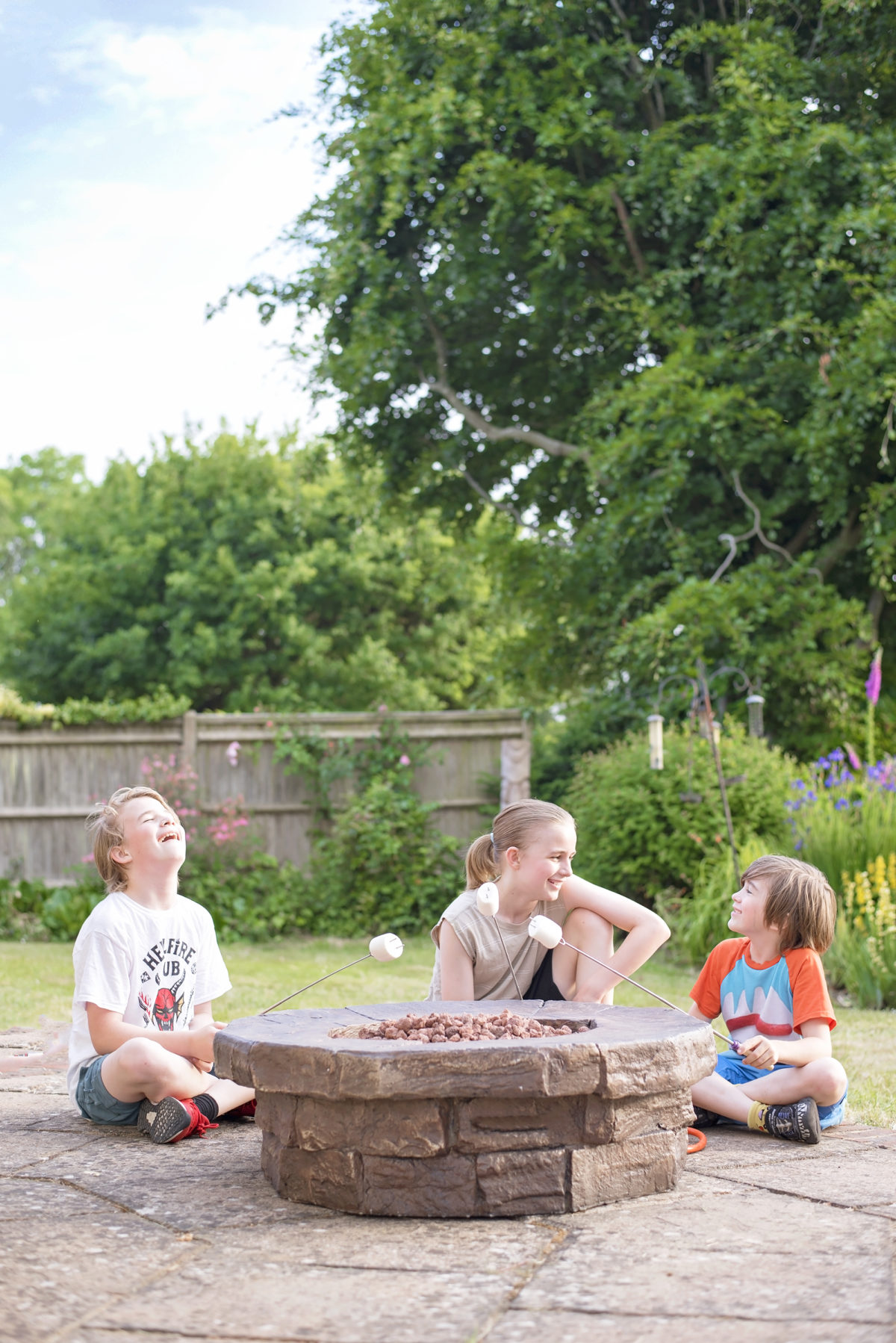
Certain areas of a yard naturally get more use than others, like near the fire pit. Pathways, entry points,
and open spaces tend to see repeated foot traffic. This pressure compresses the soil, reducing its ability
to absorb water and support root growth. The surface may look fine, though underneath, the structure
becomes dense and less responsive.
Compacted soil creates a barrier for both water and nutrients. Instead of spreading evenly, water may
run off or sit on the surface. Grass in these areas starts thinning, and plants nearby may not grow as
expected. Redirecting traffic patterns or reinforcing those zones with proper materials helps relieve that
pressure.
Hardscaping That Alters Water Movement
Patios, walkways, and driveways add structure to a yard, though they also change how water moves
through the space. Instead of soaking evenly into the ground, water may get redirected toward specific
areas.
The impact shows up gradually. Some areas may become overly saturated, while others begin drying out
despite regular watering. Adjusting drainage paths or adding features that guide water more evenly can
help restore balance.
Lack of Proper Edging Creates Spread
Edges define where one part of the yard ends and another begins. Without that boundary, grass and
weeds start moving into areas where they don’t belong. Flower beds lose their shape, pathways begin to
look overgrown, and the entire layout starts blending in an unstructured way.
This spread doesn’t take long to show up. Once it starts, it continues expanding unless it’s controlled.
Installing clear edging keeps each section in place and prevents unwanted growth from crossing over.
Landscaping problems build from small imbalances in water, soil, and layout that grow over time. Once
those factors start working against each other, the yard begins showing it in visible ways.