
A Teen-Friendly Guide to Damon Braces: What You Should Actually Know
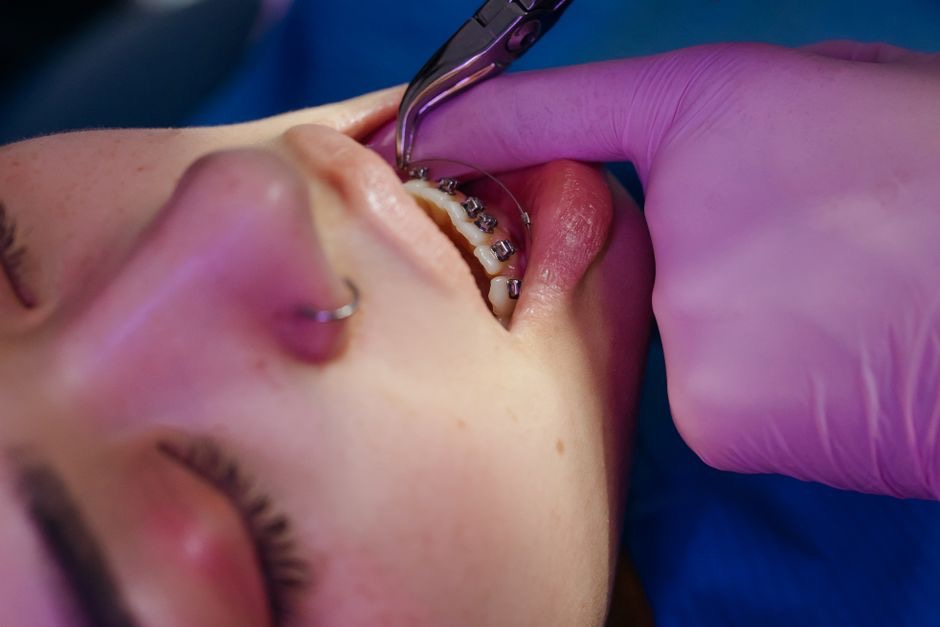
If you’re thinking about straightening your teeth, the options can get confusing fast. One office mentions metal braces, another brings up clear aligners, and then you hear about Damon braces and wonder if they’re actually different or just better branding. If you’re in North Texas, Celina’s fast growth and family-focused vibe make orthodontic care a common part of teen life. Knowing how this system works can help you ask smarter questions before you commit.
What Damon braces are and how they work
Damon braces are a self-ligating orthodontic system designed a little differently from conventional braces. Rather than using small elastic ties to secure the archwire to each bracket, they feature a built-in mechanism that holds the wire in position while allowing it to move through the brackets as needed.
That design changes how pressure is applied to your teeth. The wire can move more freely, which may help guide teeth with less friction during treatment. Less friction doesn’t mean zero discomfort, because your teeth are still being shifted. It does mean the mechanics are a bit more streamlined.
If you’re comparing options with a local orthodontist, Damon braces in Celina are usually presented as a treatment system meant to improve efficiency, comfort, and appearance compared with more traditional brackets.
How they compare with traditional braces
The biggest difference you’ll notice is in the hardware. Traditional braces use ligatures, those tiny colored bands that many people either love or absolutely do not love. Damon braces don’t rely on them in the same way, which can make the brackets look a little cleaner and less bulky.
Appointments may also feel different. With traditional braces, tightening visits can involve changing elastics and making manual adjustments. Damon systems are designed to reduce some of that work. In some cases, that can mean shorter appointments or fewer major adjustments.
You still need regular check-ins, and you still need patience. Teeth are not speed-running your treatment plan. Results depend on your bite, crowding, jaw structure, and how closely you follow instructions. No brace system can outsmart poor brushing habits or skipped appointments.
Why some teens and parents like this option
A lot of people look at Damon braces because they want something effective without making their smile look extra complicated for the next year or two. Some versions use smaller brackets, and there are more subtle styles available, which matters if you’d rather not feel like your mouth entered full construction mode.
Parents often like the practical side. If a system may reduce friction and make some appointments more efficient, that can help when your calendar already looks like a competitive sport. School, practice, part-time jobs, and family schedules don’t leave much room for endless office visits.
Teens tend to care about comfort, appearance, and whether they’ll still be able to talk normally in class or smile in photos. Fair concerns. Orthodontic treatment affects everyday life, not just your final before-and-after picture.
What treatment can feel like day to day
You’ll probably notice pressure after adjustments, especially in the first few days. Soft foods become your best friends for a bit. Think yogurt, pasta, eggs, smoothies, soup, and anything that doesn’t fight back. Crunchy snacks may need to sit on the bench.
Oral hygiene also gets more serious. Food loves getting trapped around brackets, and plaque is opportunistic in the worst way. You’ll need to brush carefully around every bracket and wire, floss consistently, and possibly use tools like interdental brushes or a water flosser.
Speech changes are usually minor, but your mouth may need a short adjustment period. The same goes for irritation on your cheeks or lips. Orthodontic wax exists for a reason, and it has rescued many people from avoidable drama.
Questions worth asking before you start
Don’t walk into a consultation and just nod politely while everything sounds expensive and vaguely dental. Ask direct questions. You’re making a decision that affects your time, comfort, budget, and smile.
A few useful questions include:
– Am I a good candidate for Damon braces specifically?
– How long is my estimated treatment time?
– What are the total costs and payment options?
– Will I need extractions or other procedures?
– How often will appointments happen?
– What happens if a bracket breaks?
– Will I need retainers after treatment?
You should also ask what results are realistic for your case. Some people need fairly simple alignment. Others have bite issues that require a more involved plan. Honest expectations beat marketing language every time.
The role of location and local orthodontic care
Choosing an orthodontist isn’t only about the braces system. It’s also about access, scheduling, and whether the office fits your routine. In a growing place like Celina, that matters more than people think. A convenient office can make follow-up visits less disruptive and keep treatment on track.
Local care also helps when something unexpected happens, like a loose bracket, poking wire, or a retainer issue later on. Those problems are never fun, and they somehow appear at the least convenient moment. Usually right before pictures, a trip, or a big event.
It also helps to pick a team that explains things clearly. Orthodontics can get jargon-heavy fast. You want an office that can translate the mechanics into normal language so you understand what’s happening in your own mouth.
Cost, value, and what you’re really paying for
Braces aren’t cheap, and pretending otherwise helps no one. The total cost usually reflects more than the brackets themselves. You’re paying for diagnostics, planning, adjustments, monitoring, and the orthodontist’s expertise throughout the process.
When comparing treatment options, don’t focus only on the starting price. Look at what’s included. Some plans may cover retainers, emergency visits, imaging, or payment options. Others may not. A lower quote can stop looking low once the extras pile up.
Insurance can help, but coverage varies a lot. It’s worth checking whether your dental plan includes orthodontic benefits and whether there are age limits or lifetime maximums. Payment plans can also make treatment more manageable, especially for families balancing multiple expenses at once.
Getting the best results during treatment
The braces system matters, but your habits matter too. If you want the best outcome, you need to treat the process like a team effort. The orthodontist handles the mechanics. You handle the daily maintenance.
That means brushing well, showing up for appointments, avoiding foods that can damage brackets, and wearing any rubber bands or appliances exactly as directed. Not occasionally. Not when you remember. Exactly as directed.
Retainers after treatment are also non-negotiable if you want your results to last. Teeth can shift back over time, which is a rude surprise if you thought the finish line meant permanent freedom. Straightening your teeth is one phase. Keeping them that way is the long game.
If you’re considering Damon braces, the smartest move is asking clear questions, understanding the trade-offs, and choosing a provider who makes the whole process feel manageable. A better smile is great. Knowing what you’re signing up for is even better.