
After the Storm: How Businesses Can Prevent Property Damage From Becoming a Financial Crisis
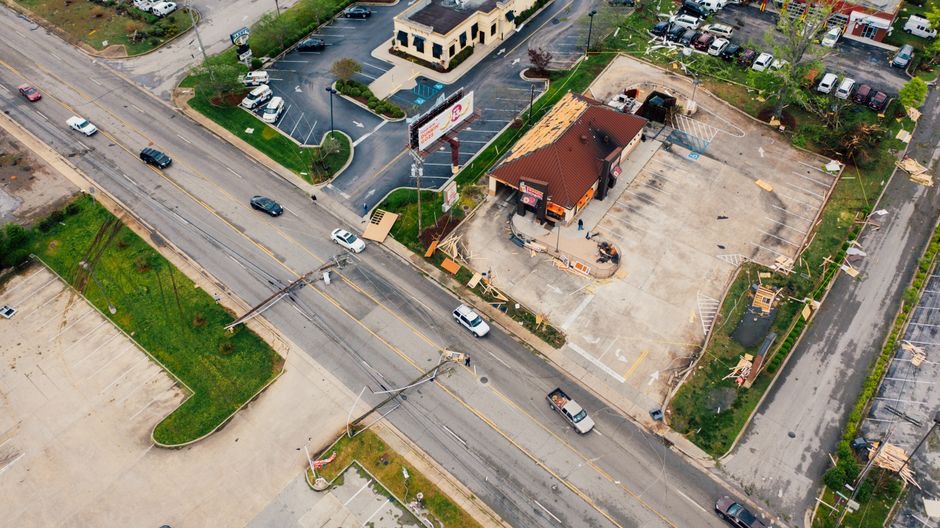
Storm season can turn a normal workweek into a cleanup marathon. One day your building is fine, and the next you’re dealing with roof leaks, broken signage, wet inventory, and a parking lot that looks like it lost a fight with the weather. If you run a business, storm damage is never just about the building. It affects your staff, your customers, your schedule, and your cash flow, often all at once.
Storm Damage Hits More Than the Roof
When people think about storm damage, they usually picture missing shingles or shattered windows. That’s part of it, but the real trouble often spreads far beyond the obvious mess.
A damaged roof can let in water that reaches insulation, wiring, ceiling tiles, and drywall. Flooding near entrances can create slip hazards for customers. Strong winds can tear off exterior panels, damage HVAC units, or knock down signage that helps people find you in the first place.
If you own a retail shop, one leak can ruin display products overnight. If you manage an office, wet carpet and hidden moisture can interrupt operations for days. Restaurants have even tighter risks because water intrusion can affect food safety and sanitation. Storms don’t politely damage one thing at a time.
The First 24 Hours Matter More Than Most Owners Expect
The period right after a storm is where small mistakes can become expensive ones. Your first job is safety. Before anyone starts moving equipment or mopping floors, check for electrical hazards, structural instability, broken glass, and standing water.
After that, document everything. Take clear photos and videos from multiple angles. Capture exterior damage, interior leaks, damaged inventory, and any affected equipment. Write down the time of the storm and what you noticed first.
Quick temporary protection also matters. Tarping a roof, boarding windows, and removing water fast can limit secondary damage. That step can affect insurance claims too, because insurers often expect you to make reasonable efforts to prevent the situation from getting worse.
Panic is normal. Letting panic make decisions for you is where the real chaos starts.
Not All Damage Shows Up Right Away
Some of the most expensive storm issues don’t announce themselves on day one. A ceiling stain may seem minor until you learn water has been sitting above it for a week. Wind-driven rain can slip into wall cavities and insulation, creating moisture problems that stay hidden until odors or mold show up.
Flat roofs are especially tricky. They can collect water in low spots, and punctures may be hard to notice without a close inspection. Hail can bruise roofing materials and shorten their lifespan, even when the surface still looks mostly intact.
That’s one reason businesses often need specialists for commercial storm damage rather than treating it like a simple maintenance issue. Commercial buildings have larger systems, more liability concerns, and more moving parts than a typical home repair job.
Insurance Can Help, but It Rarely Feels Simple
Business owners often assume insurance will smooth everything out. Sometimes it does. Sometimes it feels like a second job you never applied for.
Policies vary a lot. One may cover wind and hail but limit certain water-related losses. Another may include business interruption coverage, which can be vital if you need to close temporarily. Your deductible may also be different for named storms or major weather events.
Read your policy before the next storm, not while standing in a puddle with a flashlight. Know what your coverage includes, what documentation is required, and whether your policy has deadlines for reporting damage.
It also helps to keep a digital inventory of equipment, furniture, and stock. If you need to file a claim, detailed records save time and reduce guesswork. “A lot of stuff got wet” is emotionally accurate, but not very useful on claim forms.
Business Interruption Is Often the Real Financial Threat
Repairs cost money, but downtime can hit even harder. If customers can’t enter your building, if your internet is out, or if key equipment is offline, the damage reaches revenue fast.
A salon with no power loses appointments. A small warehouse with a leaking roof may delay shipments and upset clients. A medical office dealing with water damage may need to reschedule patients for days. Even businesses that reopen quickly can lose momentum if service feels unreliable.
This is where continuity planning earns its keep. You should know which operations are essential, how to contact staff quickly, where critical records are stored, and whether temporary relocation is possible. Cloud backups, emergency vendor lists, and a communication plan for customers can make a rough week a lot less messy.
Preparedness may not be exciting, but neither is explaining preventable disruption to frustrated clients.
Contractors, Timelines, and Tough Decisions
After a major storm, everyone needs help at once. That creates delays, price swings, and a flood of contractors promising fast fixes. Some are excellent. Some appear briefly, collect deposits, and vanish like weather-themed magicians.
You’ll want licensed, insured professionals with commercial experience, especially if the work involves roofing systems, electrical components, structural repairs, or water mitigation. Ask for scope details in writing. Clarify what temporary stabilization includes, what full restoration covers, and how long each phase may take.
Speed matters, but so does sequencing. Drying, inspection, demolition, cleaning, and rebuilding have to happen in the right order. Rushing cosmetic repairs before moisture is fully handled can leave you with hidden damage behind fresh paint. A shiny wall covering mold is not a win.
Prevention Costs Less Than Rebuilding
You can’t control the weather, but you can reduce the odds of severe loss. Regular inspections are one of the smartest moves for any commercial property. Roof drains should be clear. Flashing should be checked. Trees near the building need trimming if they threaten windows, power lines, or parked vehicles.
You should also look at grading and drainage around the property. Water that pools near the foundation has a talent for becoming your problem later. Test sump pumps if you have them. Review backup power options if your operations rely on refrigeration, servers, or medical equipment.
Train your team too. Staff should know who to call, where shutoffs are located, and how to respond if part of the building becomes unsafe. A simple emergency checklist can prevent confused scrambling when minutes matter.
Storm prep is not glamorous, but it’s a lot cheaper than surprise reconstruction.
A Smart Response Protects More Than Property
When a major storm hits, your building is only one part of the equation. You’re also protecting jobs, customer trust, daily operations, and the long-term health of your business. The best response combines quick action, careful documentation, qualified repair help, and a realistic plan for getting back on track.
You don’t need to become a restoration expert overnight. You do need to recognize that commercial storm damage is bigger than a few repairs and a call to insurance. The businesses that recover best are usually the ones that stay organized, act early, and prepare before the forecast turns ugly. That approach won’t stop the storm, but it can stop the fallout from taking over your year.