
What Your Smile Says Before You Speak: A Practical Look at Cosmetic Dentistry
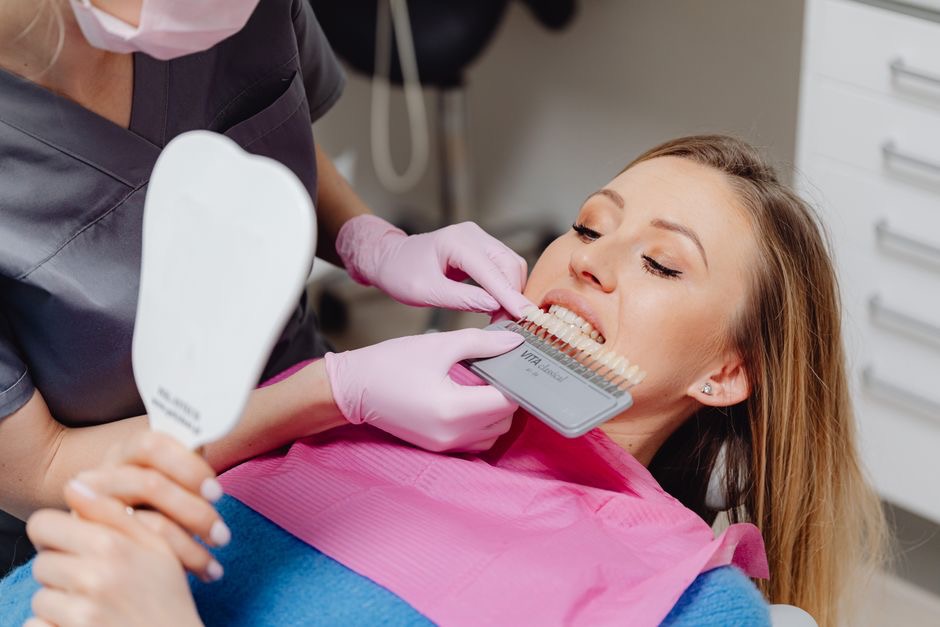
If you live in Jacksonville, you already know appearances carry weight in everyday life, from school events and beachside social plans to job interviews and client-facing work. Your smile often gets noticed before your words do. Cosmetic dentistry sits right at that intersection of confidence, health, and presentation. If you’ve ever wondered what can actually change your smile without looking artificial, it helps to understand what modern treatment really involves.
The most common treatments are more precise than people assume
Cosmetic dentistry is not one single procedure. It’s a category that includes teeth whitening, bonding, veneers, enamel reshaping, and sometimes clear aligner therapy when alignment affects appearance. The best treatment plan depends on the condition of your enamel, bite pattern, gum line, and long-term maintenance habits.
For example, whitening can work well if discoloration comes from coffee, tea, or age-related staining. Bonding may help if you have small chips or gaps. Veneers can correct multiple concerns at once, including shape, color, and proportion. Each option has different durability, prep requirements, and price points.
If you’re comparing providers, a cosmetic dentist in Jacksonville should be able to explain not only what looks good now, but what remains stable and functional over time. That practical part matters more than many people expect.
A better smile is no longer just about vanity
People often treat cosmetic dentistry like an optional luxury, but that misses the bigger picture. Small issues like stained enamel, uneven spacing, worn edges, or a chipped front tooth can change how you speak, smile, and even how often you show your teeth in photos.
You may not think much about micro-expressions, yet other people pick up on them quickly. If you keep your mouth closed when you laugh or angle your face away in pictures, that hesitation can become part of your social habits. Cosmetic treatment aims to improve aesthetics, but it also affects confidence, phonetics, and symmetry.
In a city like Jacksonville, where professional and social interactions move across offices, schools, restaurants, and outdoor spaces, polished but natural-looking dental work can make a real difference without making you look like a different person.
Natural-looking results depend on planning, not trends
The biggest mistake people make is asking for a trendy smile instead of a customized one. Ultra-bright, perfectly uniform teeth may stand out online, but in real life they can clash with your face shape, age, skin tone, and gum display. High-quality cosmetic work usually looks subtle at first glance.
Dentists who focus on smile design tend to assess tooth proportion, incisal edge position, midline alignment, gingival symmetry, and shade matching. Those details sound technical, though they shape whether your results look believable. Even a few millimeters can change the whole effect.
You should also expect a conversation about your habits. If you grind your teeth at night, chew ice, or drink dark sodas daily, that changes the treatment choice. Cosmetic dentistry works best when it’s planned around your actual life rather than a filtered before-and-after photo.
Cost matters, but value comes from durability and maintenance
It’s tempting to shop by price alone, especially with elective procedures. That approach can backfire fast. A lower upfront quote may not include refinement visits, imaging, temporary restorations, or follow-up adjustments. If a restoration chips early or the shade looks off under daylight, you could end up paying more to fix it.
A smarter way to compare treatment is to ask about longevity, material quality, stain resistance, and maintenance. Composite bonding often costs less than porcelain veneers, for instance, but it may need more frequent touch-ups. Professional whitening can be effective, yet not every stain responds equally.
You should also ask how the treatment affects your natural tooth structure. Conservative prep usually preserves more enamel, which has long-term benefits. Cosmetic work isn’t just about the reveal day. It’s about how your teeth perform six months, three years, and seven years later.
Your consultation should feel specific to you
A good cosmetic consultation should never feel rushed or scripted. You want a provider who listens to what bothers you, asks what kind of result you want, and explains the trade-offs clearly. If someone jumps straight to the most expensive option, take that as a warning sign.
Bring real examples of what you like, but stay open to professional feedback. The right plan may involve treating one visible issue rather than redesigning your whole smile. In many cases, modest changes create the strongest result.
You should also expect a review of oral health basics before cosmetic work begins. Gum inflammation, untreated decay, or bite instability can compromise final outcomes. The polished version of your smile depends on the foundation underneath it. That may not sound glamorous, yet it’s often the factor that determines whether cosmetic treatment stays successful.
The best cosmetic dentistry blends aesthetics with everyday life
A great smile should hold up when you’re talking, laughing, eating, and standing in natural light, not only when you’re sitting perfectly still. That’s the standard worth aiming for. Cosmetic dentistry works best when it respects function, facial balance, and routine upkeep at the same time.
If you’re thinking about making a change, start by getting clear on what actually bothers you. Color, shape, spacing, wear, and alignment each call for a different strategy. Once you understand that, the process becomes a lot less mysterious.
The strongest results rarely scream for attention. They simply make you look healthier, more at ease, and more like yourself on a very good day. For most people, that’s the version of confidence they were looking for all along.