Signs Your Home Needs New Siding Before Bigger Problems Start
Your home’s siding does more than make the place look put together. It blocks moisture, wind, pests, and heat loss while shaping curb appeal at the same time. In Chattanooga, those protective qualities matter because National Weather Service climate normals show the city receives about 55 inches of rainfall annually and averages 46 days a year with temperatures reaching at least 90°F. There is significant property value to protect as well: the median value of owner-occupied homes in Chattanooga was $283,200 for 2020–2024. With moisture, heat, and seasonal weather continually testing exterior materials, cracks, warping, and other siding problems are worth addressing before they become more expensive issues.
Your siding looks worn out in ways paint can’t hide
A fresh coat of paint can cover plenty, but it can’t solve structural wear. If your siding has cracks, holes, warping, bubbling, or boards that seem loose, you’re looking at more than cosmetic damage. Those flaws can let water creep behind the panels, which is where the expensive trouble likes to hang out.
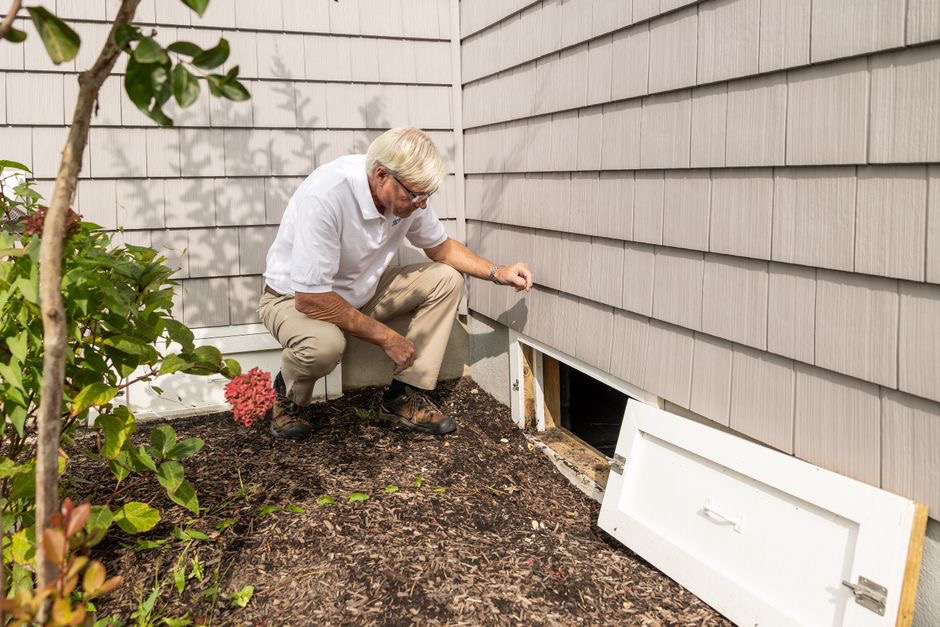
Walk around your home and check the lower edges, corners, and areas near windows. Those spots often show damage first. Fading can matter too, especially if the color has become patchy or chalky. That usually means the material is aging out, not just having a bad hair day.
When visible damage keeps spreading or repairs start stacking up, it may be time to consider a Chattanooga siding replacement company for a more complete, long-term solution instead of another temporary fix.
Moisture problems are showing up inside and outside
Siding’s main job is protection, and moisture is one of the biggest threats it handles. When that barrier starts failing, you may notice mold, mildew, peeling interior paint, or water stains near exterior walls. Outside, look for swollen panels, soft spots, or fungus growth along seams and trim.
Chattanooga’s humid climate doesn’t exactly give weak siding a break. Add heavy rain and occasional storm damage, and moisture can slip into places it shouldn’t. Once water gets behind the siding, it can affect insulation, wall sheathing, and even framing.
That kind of damage tends to build quietly. You won’t always hear a dramatic soundtrack before it gets serious. If your home smells musty near certain walls or you’re seeing recurring damp patches, siding failure deserves a closer look.
Your energy bills keep climbing without a clear reason
If your heating and cooling costs have started creeping up, your siding could be part of the problem. Older or damaged siding can let outside air leak in and conditioned air escape. Even solid insulation works less effectively when the exterior shell has gaps, cracks, or hidden moisture damage.
Pay attention to rooms that feel hotter in summer or colder in winter than the rest of the house. Drafts near exterior walls can also point to siding or underlayment issues. In some homes, the problem isn’t just the visible panels but the aging weather barrier underneath them.
New siding often improves energy efficiency when paired with updated insulation and proper installation. That can make your home more comfortable day to day, not just a little kinder to your utility bill. Your HVAC system may even stop working overtime like it’s trying to win an award.
Frequent repairs are becoming a pattern
One loose panel after a storm is manageable. A few sections needing repair every year start to tell a different story. If you’re repeatedly patching, caulking, painting, or replacing small areas, those costs can add up fast without delivering a long-term solution.
A repair-first mindset makes sense when damage is isolated. It makes less sense when the siding is old, mismatched, or failing in several places at once. At that point, replacing sections can create a patchwork look while still leaving hidden weak spots intact.
Take a practical view of the numbers. If you’ve paid for multiple repairs in the last two or three years, compare that total with the value of full replacement. You may spend more by chasing small fixes than by investing in a complete exterior upgrade that actually resets the clock.
Pests may be using your exterior as an open invitation
Damaged siding can create entry points for insects and small animals. Termites, ants, wasps, and even rodents don’t need much space to move in. Cracks, gaps, and rotting areas make the welcome mat pretty obvious.
Once pests get behind the siding, they can do damage you won’t notice right away. Wood rot can worsen, insulation can get torn up, and nests can form inside wall cavities. None of that is charming, even if the squirrels seem confident.
Look for signs like droppings, buzzing near wall openings, wood that sounds hollow, or recurring infestations in the same area. Pest problems don’t always mean the siding caused them, but weak exterior materials often make the situation easier for pests to exploit.
Replacing compromised siding closes those access points and gives you a cleaner, stronger barrier around the house.
Curb appeal and resale value are starting to take a hit
Siding has a huge effect on how your home looks from the street. If it appears faded, dented, warped, or outdated, the whole property can seem less cared for even when the inside is in great shape. That matters if you’re planning to sell, refinance, or simply want your home to look like it belongs to this decade.
Buyers notice exterior condition quickly. Worn siding can raise concerns about hidden water damage, poor maintenance, and future repair costs. Even neighbors notice, though they may pretend they’re just admiring your mailbox.
New siding can refresh the appearance of your home almost instantly. It also gives you a chance to update color, texture, and material choices in a way that fits your neighborhood and climate. In markets where first impressions carry weight, exterior upgrades often do more than make the house prettier.
How to decide whether replacement makes sense now
If several of these signs are showing up at once, don’t wait for a full-blown exterior crisis. Start with a thorough inspection from a qualified contractor who can assess visible damage and the condition underneath. Ask about moisture intrusion, insulation performance, repair history, and whether your existing siding has reached the end of its expected lifespan.
A smart replacement plan should include more than picking a color you won’t regret in six months. Consider:
– Material durability in Chattanooga’s climate
– Moisture resistance and maintenance needs
– Insulation and energy efficiency upgrades
– Warranty coverage
– Installation quality and ventilation details
The goal is a stronger exterior system, not just a nicer photo for the listing page. When your siding begins failing, acting early can protect your structure, lower future costs, and make your home feel solid again. That’s a practical win from every angle.