
How to Know When Your Roof Needs Replacing
Your roof usually stays out of sight and out of mind until it starts acting expensive. One missing shingle might not seem dramatic, but roofing problems rarely stay small for long. If you live in a place with heavy rain, wind, snow, or sharp seasonal swings, the warning signs can show up faster than you expect. Knowing what to watch for helps you make smart decisions before a minor issue turns your attic into an indoor weather report.
Your Roof’s Age Matters More Than Most People Realize
Roofs do not fail on a neat schedule, but age is still one of the clearest clues. Asphalt shingle roofs often last around 20 to 30 years, depending on installation quality, ventilation, weather exposure, and maintenance.
If you recently bought a home, check inspection reports, closing documents, or past contractor invoices. If the roof is pushing the upper end of its lifespan, it deserves a closer look even if it seems fine from the driveway.
An older roof may not leak right away. It can simply lose strength, flexibility, and weather resistance over time. Think of it less like a lightbulb burning out and more like a phone battery that slowly stops cooperating.
Storm Damage Can Shorten a Roof’s Life Fast
A roof can age gradually, then lose years of life in one nasty storm. Hail, wind uplift, fallen branches, and ice dams can all create damage that is not obvious from street level.
After severe weather, look for shingles on the lawn, dented flashing, clogged gutters filled with debris, or visible sagging. Inside the home, check attic spaces and top-floor rooms soon after the storm passes.
If your area sees frequent weather swings, professional assessment becomes even more important. Homeowners in western Pennsylvania, for example, often deal with freeze-thaw cycles, rain, and wind that quietly wear down materials. In that situation, working with a roof replacement company can help you evaluate whether repairs are enough or a full replacement makes more financial sense.
Missing, Curling, or Cracked Shingles Are Major Red Flags
Shingles are your roof’s front-line defense. When they start curling at the edges, cracking across the surface, or going missing altogether, water gets more chances to sneak in.
A few damaged shingles after a storm might be repairable. Widespread deterioration usually points to a larger problem. If one section looks worn and patchy while another looks fairly normal, the roof may be aging unevenly due to sun exposure or poor ventilation.
Take a look from the ground with binoculars if needed. Avoid climbing onto the roof unless you know what you’re doing. A heroic do-it-yourself moment is not worth a trip to urgent care.
Granules in Gutters Can Signal Advanced Wear
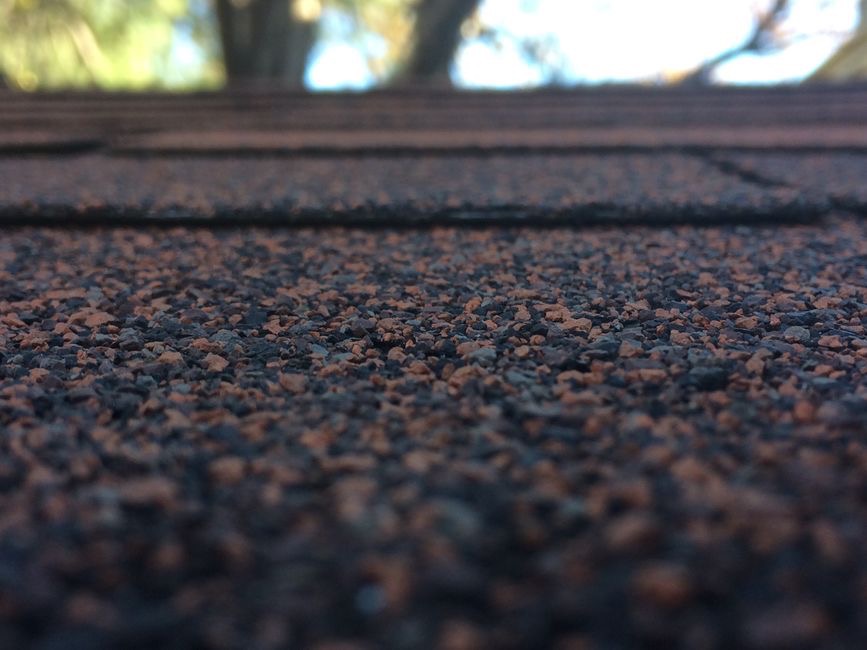
If you clean your gutters and notice a gritty, sand-like buildup, those are likely granules from aging asphalt shingles. Granules protect shingles from sunlight and help them shed water properly.
Some granule loss is normal on newer roofs. Heavy shedding on an older roof is more concerning, especially if the shingles begin to look bald or darker in patches.
This kind of wear often shows up before obvious leaks appear inside the house. That gives you a useful window to act early. Roof replacement is easier to plan when you are not also dealing with stained ceilings, soaked insulation, and the deeply annoying smell of damp drywall.
Interior Clues Often Show Up Before You Expect
Not every roofing problem announces itself with visible exterior damage. Sometimes the first signs appear indoors, especially in the attic, upper-floor ceilings, or around vents and chimneys.
Watch for these common symptoms:
– Water stains on ceilings or walls
– Peeling paint near rooflines
– Mold or mildew smells in the attic
– Damp insulation
– Sunlight visible through attic boards
These issues do not always mean full replacement is needed, but they do mean your roof system needs attention. Flashing failure, underlayment damage, or long-term moisture exposure can all point to bigger structural concerns if left untreated.
Sagging or Soft Spots Need Immediate Attention
A sagging roof is not a cosmetic issue. It can indicate trapped moisture, rotting decking, structural weakness, or long-term water intrusion. If a section of the roofline dips or looks uneven, get it inspected quickly.
Soft spots are another problem, though they are harder to identify from the ground. Contractors often find them during inspections when walking the roof surface or checking the decking below.
These issues may start small, but they can spread underneath otherwise normal-looking shingles. Waiting too long increases the risk of interior water damage, insulation replacement, mold remediation, and framing repairs. At that point, the roof is no longer the only thing billing you.
Energy Bills Can Reveal Roofing Problems Too
If heating and cooling costs have climbed without a clear reason, your roof might be part of the problem. A deteriorating roof can allow heat transfer, air leaks, and moisture issues that strain your HVAC system.
Poor attic ventilation also plays a role. Hot air trapped in the attic during summer can bake shingles from below, while winter moisture buildup can damage insulation and wood components. The roof and attic function as a system, not separate pieces.
A replacement project often includes ventilation improvements, underlayment upgrades, and sealing details that make the whole house perform better. That means roof replacement is not only about stopping leaks. It can also improve comfort, reduce utility waste, and prevent recurring seasonal headaches.
Repairs Make Sense Sometimes, But Not Always
Roof repairs are useful when damage is isolated and the rest of the roof is still in good condition. Replacing a few shingles, fixing flashing, or sealing a small trouble spot can buy you time.
But repeated repairs on an aging roof can turn into a money pit. If you are calling for fixes every year, patching active leaks, or noticing problems in multiple areas, replacement may be the smarter long-term move.
Ask practical questions during an inspection:
– How much usable life is realistically left?
– Are repairs likely to hold through another winter?
– Is the decking still sound?
– Will new shingles match existing materials?
– Could hidden damage raise future costs?
Good answers help you compare short-term savings against long-term value.
A Professional Inspection Gives You the Clearest Next Step
The smartest move is often simple: get the roof inspected before the problem gets louder. A thorough inspection can identify visible wear, storm damage, ventilation issues, flashing failures, and early signs of structural trouble.
Try to schedule one if your roof is older, if you see any warning signs, or if a major storm recently rolled through. Documentation also helps with insurance claims, budgeting, and planning future home maintenance.
Roof replacement is a big project, but surprises make it much worse. When you know the condition of your roof, you can plan around cost, timing, and material choices with far less stress. A solid roof does more than cover your home. It protects everything under it, including your budget, your comfort, and your sleep during the next thunderstorm.