
How to Know When Your Roof Needs Replacing Before It Turns Into a Money Pit
Your roof rarely asks for attention politely. It waits until you spot a ceiling stain, hear wind ripping at shingles, or notice your energy bill creeping up. Learning when a roof is nearing the end of the line can save you stress, cash, and a few buckets in the hallway. The trick is spotting the signals early and knowing which problems can be repaired and which ones are waving a full replacement flag.
Your roof’s age matters more than most people think
A roof has a rough life. It handles sun, rain, wind, debris, and temperature swings without much applause. Even a well-installed roof has a life span, and the material makes a big difference.
Asphalt shingles often last 20 to 30 years, while metal and tile can go longer. If your roof is pushing the upper end of its expected life, every small issue deserves a closer look. A few missing shingles on a 6-year-old roof may be a repair. The same damage on a 27-year-old roof is a different conversation.
Shingles tell a story if you know what to look for
You don’t need to climb onto the roof like you’re starring in a home improvement action scene. A visual check from the ground with binoculars can reveal a lot.
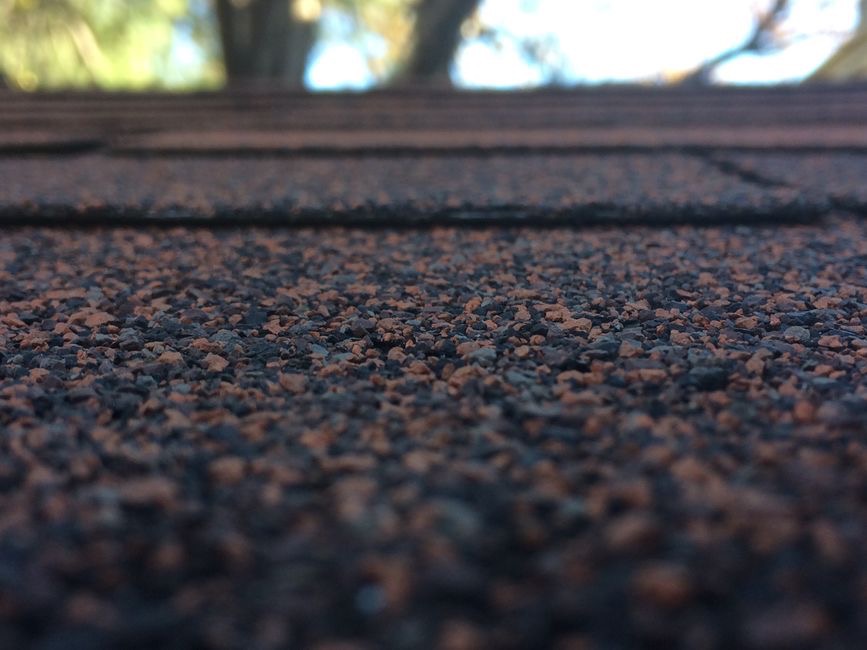
Look for shingles that are curling, cracking, buckling, or missing entirely. Granules collecting in gutters are another clue. Those gritty particles protect asphalt shingles from UV damage, so when they start shedding heavily, the roof is aging out.
Color inconsistency can also point to trouble. Dark streaks may be algae, which is often cosmetic, but patchy sections can signal uneven wear or moisture issues. After a storm, check the yard for shingle pieces or flashing debris.
If large sections look tired while repairs are becoming frequent, call in a roof replacement company to help figure out whether you’re still in patch territory or heading into full replacement mode.
Leaks are not always obvious, and that’s the problem
The dramatic drip into a bucket gets all the attention, but many roof leaks are quieter. Water can travel along beams, soak insulation, and stain walls far from the actual entry point.
Inside your home, watch for:
– Brown or yellow ceiling stains
– Bubbling paint or peeling wallpaper
– Musty smells in the attic or upper rooms
– Damp insulation
– Mold growth near the roofline
A leak that appears small on the surface can hide a larger structural issue underneath. Wood decking may be rotting long before the ceiling shows clear evidence.
Attics are especially useful for detective work. On a bright day, any pinpricks of sunlight coming through the roof boards deserve attention.
Storm damage can shorten a roof’s life overnight
One severe storm can age a roof faster than several calm years. Wind may lift shingles and break the seal that keeps them watertight. Hail can bruise shingles, crack protective surfaces, and weaken flashing around vents and chimneys.
After bad weather, inspect your property carefully. Look for dents on gutters, metal vents, or downspouts. Those often hint at hail damage above. Tree limbs on the roof, even if they seem minor, can crush materials and create hidden fractures.
Insurance may cover storm-related replacement in some cases, but documentation matters. Take photos, note the date, and get a professional inspection promptly. Waiting too long can complicate a claim if the insurer argues that ongoing neglect added to the damage.
You should also remember that not all storm damage is dramatic. A roof can look mostly intact while seals and underlayment have already taken a hit. That’s where trained eyes beat wishful thinking every time.
Higher energy bills can point to roofing trouble
If heating and cooling costs suddenly rise, your roof may be part of the problem. Roof systems do more than keep rain out. They also help regulate temperature through ventilation, insulation support, and airtight protection.
When roofing materials deteriorate, moisture can affect insulation performance. Poor attic ventilation may trap heat in summer and create condensation in winter. Damaged decking or gaps near flashing can also let conditioned air escape.
You might notice:
– Rooms upstairs feeling hotter or colder than usual
– HVAC systems running longer
– Ice dams forming in winter climates
– A stale or humid attic
Of course, windows and insulation can also drive energy waste, so this isn’t a one-cause issue. Still, if your roof is older and your utility bills are climbing without another clear explanation, it belongs on the shortlist of suspects.
What to expect when you get a professional opinion
A roofing inspection should leave you with more than a vague “it looks worn.” You want specifics. A solid contractor will assess shingles, flashing, ventilation, decking condition, drainage, and any signs of water intrusion.
Ask practical questions:
– Is this damage repairable or widespread?
– How many years of life are realistically left?
– Are there underlying structural concerns?
– Will a new roof improve ventilation or efficiency?
– What materials fit your climate and budget?
Get the findings in writing if possible. Photos help too, especially if you’re comparing estimates. Price matters, but the cheapest bid isn’t always the best value. Installation quality, warranty coverage, and material choice will affect how long the next roof lasts.
A good inspection should make the decision clearer, not murkier. You’re not shopping for mystery. You’re trying to protect one of the biggest parts of your home investment with facts, timing, and a little less panic.
Replacing a roof is a big job, but delay can cost more
Roof replacement isn’t exactly a fun purchase. Nobody shows off new shingles with the same energy as a renovated kitchen. Still, it protects everything beneath it, including framing, insulation, drywall, and your everyday sanity.
If warning signs are piling up, acting sooner often gives you better control over budget and scheduling. Emergency replacements usually happen at the worst possible moment and often come with additional interior repair costs.
Pay attention to age, visible wear, leaks, storm history, and rising utility bills. Those clues work best together, not in isolation. A single missing shingle may not mean much. Several indicators at once usually mean your roof is no longer just “a little tired.”
When you treat roof issues early, you give yourself options. When you wait too long, the house usually picks the timeline for you, and houses are terrible project managers.