How to Plan a Bathroom Remodel Without Regretting It Later
A bathroom remodel sounds exciting until you’re comparing tile samples at 9 p.m. and wondering how a faucet became a personality test. If you live in a place like Grand Rapids, where homes range from older character-filled properties to newer builds, your bathroom plan needs to balance style, moisture control, storage, and budget. A smart remodel can make your daily routine easier and help your home feel more current without creating a renovation headache.
Set a Budget That Covers More Than the Fun Stuff
Most people build a budget around the visible features: tile, vanity, mirror, shower door, paint. That’s only part of the story. Labor, waterproofing, plumbing upgrades, demolition, disposal, and permit costs can take a big bite out of your numbers.
Give yourself a full-picture budget, then add a contingency cushion of at least 10 to 15 percent.
That extra room helps if you run into:
– Water damage behind walls
– Outdated plumbing connections
– Subfloor issues near the tub or shower
– Electrical work needed for new lighting or outlets
– Delays that affect labor costs
For residents of Grand Rapids bathroom remodeling is a convenient home improvement project to take on, especially with experienced local professionals who can help upgrade outdated fixtures, improve functionality, and create a more comfortable and modern space.
A bathroom isn’t a showroom set. It’s a high-moisture work zone, and every decision has to hold up under real use.
Start With How You Actually Use the Space
Before you pick colors or fixtures, pay attention to how your bathroom works on a normal weekday. Do you need two sinks, or do you just need less clutter around one? Is your shower too small, your lighting too dim, or your storage basically one overworked drawer?
Write down what annoys you most. That list becomes your renovation blueprint.
Focus on practical questions like:
– Who uses the bathroom every day
– Where towels, toiletries, and cleaning supplies go
– Whether the room needs better ventilation
– How much counter space you really use
– What feels outdated versus what truly doesn’t function
A remodel should solve problems, not just give you prettier ones. If your layout works, keep it. Moving plumbing lines can get expensive fast, and your budget can disappear quicker than a missing bath mat.
Choose Materials That Can Handle Daily Wear
Bathrooms deal with water, steam, heat swings, soap buildup, and constant cleaning. Materials that look great online may not age well in a busy household. You want surfaces that are durable, easy to maintain, and realistic for your routine.
Porcelain tile remains popular because it resists moisture and comes in a wide range of styles. Quartz counters are low-maintenance and hold up well. Acrylic and solid-surface shower systems can also make cleaning easier than tile-heavy designs with lots of grout lines.
When comparing materials, think about:
– Slip resistance for flooring
– Grout maintenance requirements
– Resistance to mold and mildew
– Durability around kids or shared use
– How easily the surface shows water spots or fingerprints
A beautiful bathroom that demands constant scrubbing can lose its charm very quickly. Good design should make life easier, not assign you a second part-time job.
Think Carefully About Storage and Layout
Storage is one of the first things people underestimate. You may love a floating vanity in photos, but if you have nowhere to put backup toilet paper, skincare, or extra towels, that sleek look gets less charming by the week.
A strong layout creates enough storage without making the room feel cramped.
Consider solutions like:
– Vanity drawers instead of deep cabinets
– Recessed shower niches
– Built-in shelving over the toilet
– Tall linen cabinets for narrow spaces
– Medicine cabinets with extra depth
Also think about movement. Can cabinet doors open fully? Is there enough room to step out of the shower comfortably? Will two people bump elbows while getting ready?
A bathroom layout should feel intuitive. If you need to perform a three-point turn just to reach the sink, the design needs another pass.
Match Style Choices to the Age and Character of Your Home
Trends are fun until they date your space in three years. It’s smarter to choose a bathroom style that fits your home and still feels current. If you live in an older home, ultra-modern finishes can work, but they need some connection to the house’s overall character.
Try building around timeless choices first, then use smaller details for trend-driven personality.
That can include:
– Neutral tile with bold hardware
– Classic vanity shapes with updated lighting
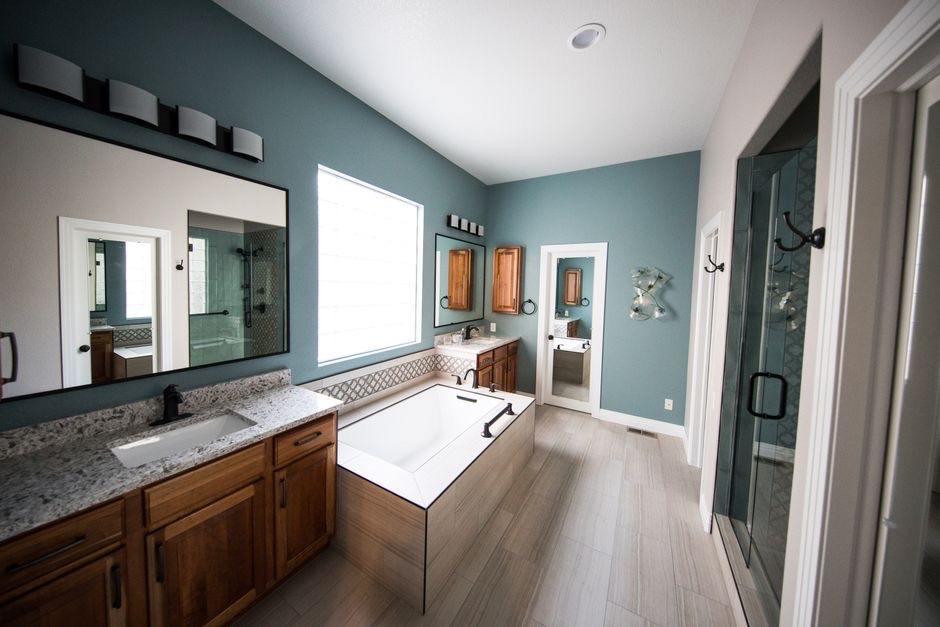
– Warm wood tones paired with modern fixtures
– Matte finishes mixed with simple lines
– Statement mirrors instead of overly busy patterns
You don’t need a bathroom that looks copied from a social feed. You need one that still feels solid and appealing after the algorithm moves on. The best remodels usually look intentional, not overly decorated.
Work With Pros Who Understand the Real-World Details
Even a modest bathroom remodel involves layers of planning: measurements, plumbing access, moisture barriers, installation timing, and material coordination. A good contractor or remodeling team doesn’t just build the space. They help you avoid mistakes before those mistakes become expensive.
Ask clear questions before you commit:
– What is included in the estimate
– How long the project should take
– Who handles permits if needed
– What happens if hidden damage is found
– What warranty coverage is offered
Communication matters more than flashy sales language. You want a team that explains trade-offs, respects your budget, and understands how the room will actually be used.
A bathroom remodel is a real investment in comfort, function, and home value. Plan carefully, choose durable solutions, and keep your focus on how the space will serve you every day. That’s the kind of upgrade you’ll appreciate long after the dust settles.