
How to Avoid Costly Mistakes When Replacing Windows and Doors
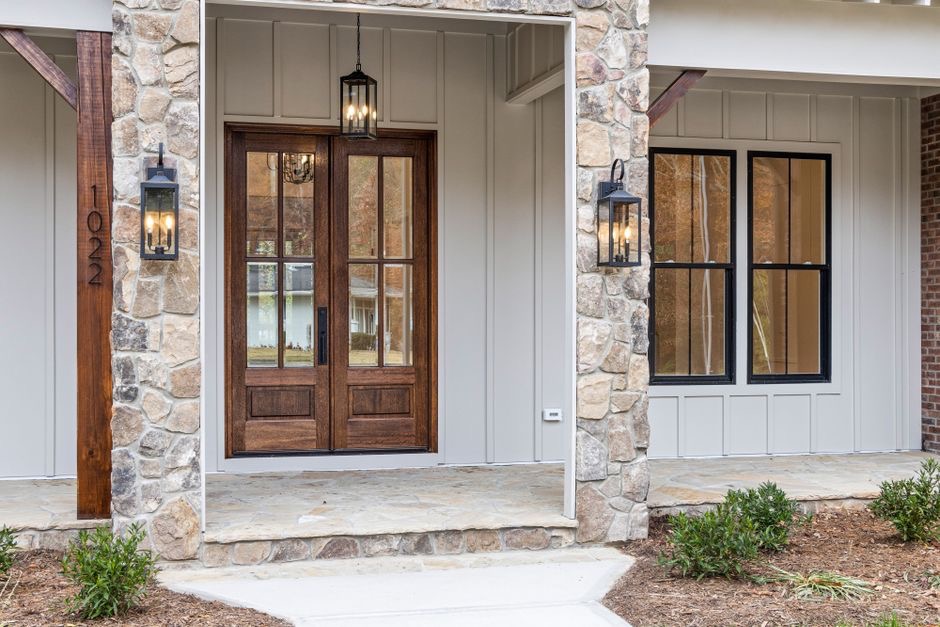
Your windows and doors do a lot more than frame a nice view. They deal with heat, humidity, wind, salt air in coastal areas, and the occasional storm alert that changes your weekend plans. Replacing them can improve comfort, safety, and energy performance, but only if you make smart choices at the start. A polished showroom pitch can sound great. The details behind the install matter more.
Start With the Real Reason You’re Replacing Them
Before you compare styles or collect quotes, get clear on what problem you’re trying to solve. Drafts, outside noise, rising energy bills, sticking frames, water intrusion, and storm protection each point to slightly different priorities.
If your home gets afternoon sun that turns one room into a toaster oven, glass performance matters. If you’re worried about hurricane season, impact resistance and installation standards move to the top of the list. Old doors that swell or drag may signal moisture issues, not just age.
Write down what you notice in daily life:
– Rooms that feel hotter than the rest
– Condensation between panes
– Doors that don’t latch smoothly
– Noticeable street noise
– Signs of water around frames
That short list helps you ask better questions and avoid buying features you don’t actually need.
Why Performance is more Important than Curb Appeal
Plenty of products look impressive in photos, and that alone convinces many homeowners to sign. Appearance says nothing about how a window holds up under wind pressure, moisture, and constant heat gain, which is where most disappointing replacements fall apart.
Impact-rated units and energy-efficient glass solve much of that, cutting strain on your HVAC system when summer seems to have a personal grudge against your electric bill.
Hiring professional window and door installers is what turns those ratings into real protection, since code requirements, permit expectations, and installation methods all decide whether the product performs the way the label promises.
Ask practical questions during consultations:
– Are the products impact-rated?
– What are the design pressure ratings?
– How do they handle waterproofing and sealing?
– What permits are typically required?
– What warranties cover product and labor?
The strongest product can still underperform if it’s installed carelessly.
Materials Matter More Than Most Homeowners Expect
Window and door materials affect maintenance, durability, insulation, and cost. The cheapest option upfront can become the expensive one after a few years of repairs, fading, or poor sealing.
Vinyl is popular because it’s low maintenance and usually budget-friendly. Aluminum is strong and common in warmer climates, though it may transfer more heat. Wood has classic appeal, but it demands upkeep and doesn’t always play nicely with humid conditions. Fiberglass tends to perform well, though prices often rise with it.
For doors, the same logic applies. Entry doors take heavy daily use, weather exposure, and security pressure. Sliding glass doors need smooth tracks, strong rollers, and reliable seals.
Pay attention to the full system, not just the frame:
– Glass type
– Hardware strength
– Frame reinforcement
– Finish durability
Compare Quotes
Two quotes can look similar at first glance and be wildly different once you read the details. Price alone won’t tell you much unless you know what’s included.
One company may quote impact glass, premium hardware, disposal, permits, and interior trim repair. Another may leave out half of that and appear cheaper. That gap can vanish fast.
When comparing bids, line them up side by side and check:
– Exact product model numbers
– Frame and glass specifications
– Scope of removal and installation
– Warranty terms
– Estimated project duration
Ask who handles post-installation issues if something needs adjustment. A lower quote can lose its charm the moment you’re making three follow-up calls about a door that won’t lock properly.
Also consider communication. If a company is slow, vague, or hard to reach before you sign, that pattern often sticks around after the deposit clears.
Treat the Project Like Any Other Major Home Upgrade
Window and door replacement is not usually a dramatic full-house renovation, but it still disrupts your routine. A little preparation saves time and stress.
Move furniture away from openings. Take down fragile wall decor. Plan for noise, dust, and workers moving in and out. If you have pets, set up a separate area where they won’t bolt every time a door opens. If you work from home, expect at least part of the day to sound like construction, because it is.
You should also confirm the timeline in writing and ask how weather delays are handled. In coastal and southern states, a bright morning can turn into a thunderstorm by lunch.
Before installation day, confirm:
– Arrival window
– Number of crew members
– Access points
– Cleanup process
– Final walkthrough steps
A professional closeout should include testing operation, reviewing locks, checking finishes, and explaining warranty basics.
Think Long Term: Value, Maintenance, and Everyday Comfort
New windows and doors can improve resale appeal, but the daily benefits usually matter more. Better temperature control, less outside noise, smoother operation, and stronger storm protection can make your home feel noticeably better.
Think about the next ten to twenty years, not just the next invoice. Maintenance requirements, replacement part availability, and warranty support all affect long-term value. So does the quality of installation, which often determines whether your investment ages well or becomes a headache.
The best outcome is usually a combination of solid product performance, careful installation, and realistic expectations. Not every premium upgrade is necessary, but cutting corners on critical components rarely pays off.
If you approach the project with a clear goal, good questions, and a careful eye for detail, you’ll make decisions that hold up long after the sales pitch fades. Your future self will appreciate doors that close cleanly and windows that do their job quietly, which is exactly what they should do.