
When Water Gets In: Acting Fast to Protect Your Home
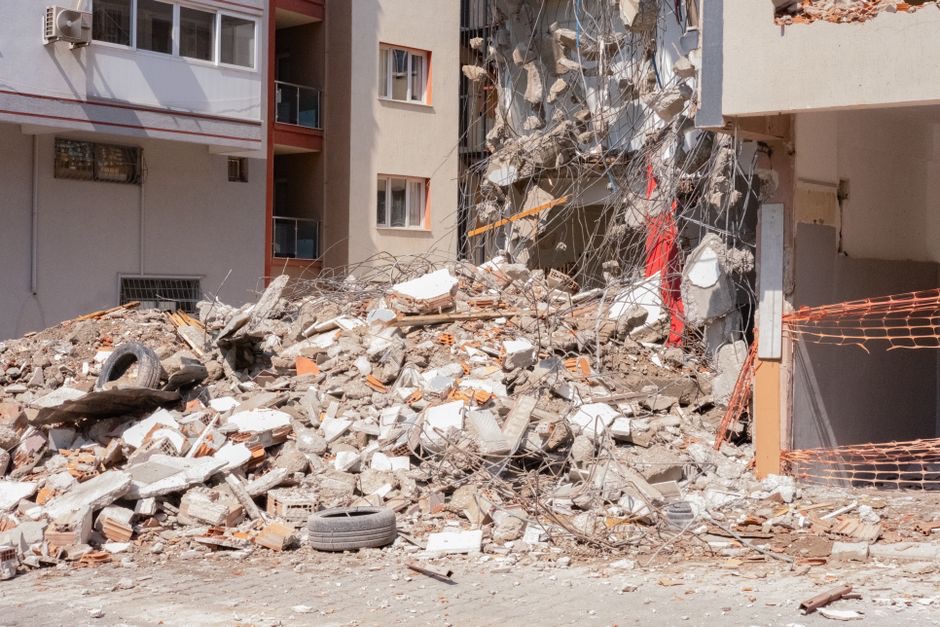
Water damage rarely stays where it starts. A leaking appliance, burst pipe, overflowing fixture, or roof problem can quickly send moisture beneath flooring, behind walls, and into materials that appear dry from the outside. What begins as a manageable cleanup can become a much larger repair if moisture is allowed to linger.
The first few hours matter, but speed should never come before safety. Knowing what to address first, what can wait, and when a problem needs professional attention can help limit damage and make the recovery process much more manageable.
Put Safety Ahead of Cleanup
Seeing water spread across a floor naturally creates an urge to start mopping immediately. Before doing anything, consider where the water came from and what it may have reached.
Water near electrical outlets, appliances, wiring, or an electrical panel requires particular caution. Do not enter standing water when there may be an electrical hazard. If power needs to be disconnected and you cannot reach the appropriate controls safely, get qualified help.
The source of the water matters too. A clean supply-line leak is very different from water involving sewage or other contamination. The latter requires more careful handling and may call for professional cleanup.
The safest response begins with understanding the situation rather than rushing into it.
Remove Standing Water Before It Travels Further
Water does not need much time to find vulnerable materials.
It can move underneath flooring, soak carpet padding, reach baseboards, enter cabinetry, and spread into nearby wall materials. Removing visible water promptly can help limit how far that moisture travels.
Small amounts may sometimes be handled with towels, mops, or an appropriate wet vacuum. Larger incidents can require more substantial water extraction, particularly when moisture has moved beyond easily accessible surfaces.
Pay attention to areas where water can disappear from view, including underneath rugs, along wall edges, around cabinets, and beneath certain types of flooring.
A surface looking dry does not necessarily mean the materials below it are dry too.
Stop the Water and Record What Happened
Once immediate hazards have been considered, stop additional water from entering if it is safe to do so.
Depending on the source, that could mean closing a fixture valve, shutting off the main water supply, or taking another temporary measure until repairs can be made.
Before moving everything or beginning major cleanup, document the damage. Take photographs and videos showing affected floors, walls, furniture, appliances, and belongings. Photograph the apparent source as well if it can be done safely.
Keeping receipts for emergency supplies and services can also create a clearer record of what happened and what was required afterward.
Once the situation is documented, attention can turn toward removing the water itself.
Drying Means More Than Removing the Puddle
Removing standing water is only the first part of drying a room.
Porous building materials can retain moisture after the visible water has disappeared. Drywall, wood, insulation, carpeting, and other materials may therefore need additional attention.
Air movement and dehumidification can help moisture leave affected materials. Fans may improve circulation where electrical conditions are safe, while dehumidifiers can help reduce moisture in the air.
Wet belongings should also be separated rather than left piled together. Cabinet doors and other enclosed areas can be opened when appropriate to improve airflow.
A proper response to water damage in the home involves locating the source, addressing safety concerns, removing wet items, and beginning the drying process promptly.
The objective is not simply to make the room look normal again. It is to remove enough moisture to prevent problems from continuing out of sight.
Some Belongings Can Be Saved, Others May Not Be
After a water incident, it can be difficult to decide what to keep.
Hard, nonporous objects are often easier to clean and dry than absorbent materials. Items made from glass, metal, and some plastics may be recoverable depending on the type of water involved.
Porous materials require more caution. Carpet padding, insulation, particleboard, upholstered items, paper products, and similar materials can absorb significant moisture. Contaminated water makes the decision more complicated because sanitation becomes an additional concern.
Electronics should be treated carefully as well. Do not reconnect a wet appliance or device simply to see whether it still works. Electrical items exposed to water may need professional evaluation before they can be considered safe.
Recovery should focus on what can be restored safely, not merely what appears salvageable.
Watch Closely for Moisture That Refuses to Leave
One of the biggest concerns after water damage is what happens after the obvious cleanup.
Moisture trapped inside porous materials can create conditions that allow mold to develop. Musty odors, discoloration, peeling paint, softened materials, or recurring dampness can all suggest that the affected area needs further investigation.
Preventing mold starts with controlling moisture. Learning how to address mold after water damage also highlights why the original moisture problem needs to be corrected rather than simply cleaning what appears on the surface.
Hidden spaces deserve attention. Moisture can remain beneath flooring, behind trim, inside wall cavities, and around insulation without being immediately visible.
If a room continues to smell damp after drying efforts, do not assume the problem will resolve on its own.
Know When the Damage Is Beyond a DIY Cleanup
Not every leak requires a major restoration project. A small amount of clean water caught quickly may be manageable with household equipment and careful drying.
Other situations deserve professional attention.
A large affected area, contaminated water, soaked walls or ceilings, extensive flooring damage, persistent moisture, visible mold, or water that went unnoticed for an extended period can make DIY cleanup much less practical.
Professionals may use moisture meters and other equipment to evaluate areas that are difficult to assess by appearance alone. That can be especially useful when water has entered wall cavities or flooring systems.
Getting help is not simply about removing water faster. It can also help determine whether the materials that look dry actually are.
Prevent the Same Problem From Happening Again
Once the immediate damage has been handled, the cause deserves another look.
Inspect appliance hoses, supply connections, plumbing fixtures, sealant around wet areas, drainage systems, and other places where water problems commonly begin. A small recurring leak can cause significant damage if it remains unnoticed.
Knowing where the main water shutoff is located can also save valuable time during a future plumbing emergency. Everyone responsible for the home should know how to access it.
Water alarms or leak detectors can provide another layer of protection in vulnerable areas. Placing them near appliances, water heaters, sinks, or other potential leak sources can help identify moisture before it spreads far.
Prevention does not require turning the home into a monitoring station. Regular attention to the places most likely to leak can make a meaningful difference.
Treat Water Damage as a Moisture Problem
The most important shift is recognizing that water damage is not simply a mess that needs cleaning.
The visible puddle may disappear quickly while moisture remains inside materials for much longer. That hidden moisture is what can contribute to damaged finishes, deteriorating building materials, odors, and mold.
A better response follows a clear sequence: protect people first, stop the source, document what happened, remove water, dry affected materials thoroughly, and continue watching for signs that moisture remains.
Acting early can make the difference between a contained incident and a repair that spreads into multiple parts of the home. The faster the real moisture problem is addressed—not just what can be seen on the surface—the better the chance of getting the home genuinely dry and back to normal.